

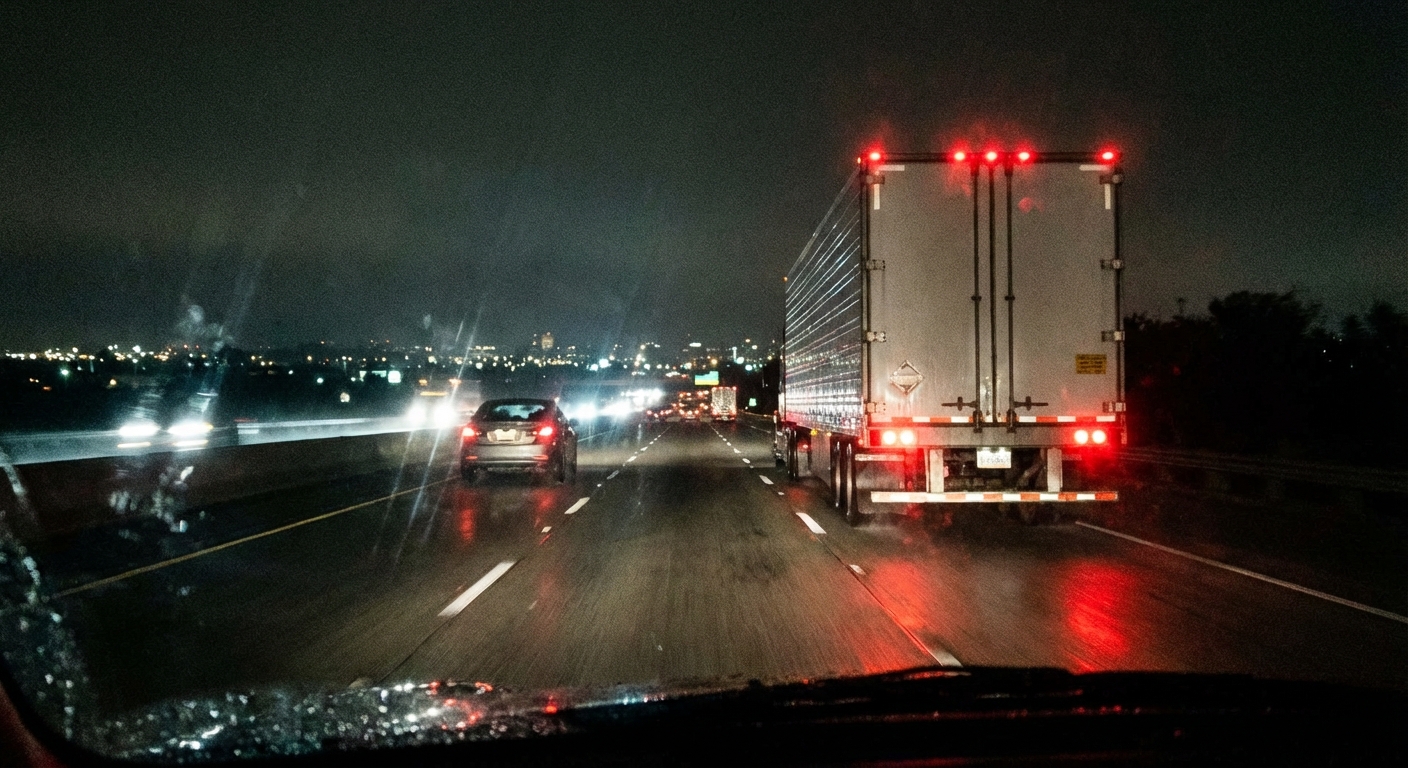
Statute of Limitations for Amazon Delivery Truck Accidents
The statute of limitations to file a claim for an Amazon delivery truck accident depends on your state, typically ranging from two to four years from the date of the accident. The clock starts on the day of the collision, though some states use a discovery rule that begins the countdown when you first realized the injury. If the Amazon-branded vehicle involved was a Class 8 commercial truck (not a standard van), federal trucking regulations apply, which may affect how the case is classified and defended. Acting quickly matters: most states impose strict deadlines, and evidence preservation is critical in commercial vehicle cases. Once the deadline passes, you typically cannot sue—the claim is dismissed, period.
How Much Time Do You Have to Sue?
Most states give you two to four years from the date of an Amazon delivery truck accident to file a lawsuit. Specific deadlines vary by state:
- Texas: 2 years from date of injury
- California: 2 years from injury or discovery
- Florida: 4 years from injury
- New York: 3 years from injury
- Illinois: 2 years from injury
The statute of limitations is a hard wall. Once the deadline passes, your claim is gone—even if it has strong merit. Courts don't grant extensions for "almost in time" or "the attorney didn't tell me." The deadline is absolute. [Crash data from NHTSA](https://www.nhtsa.gov/) confirms that these timelines apply equally to claims involving commercial delivery vehicles. This matters even more in Amazon cases because Amazon's legal team will absolutely use an expired deadline as the first defense—before discussing liability, damages, or your injuries.
When the Clock Actually Starts
The statute of limitations clock starts on the date of the accident—the moment of impact. You don't need to know the full extent of your injuries or even realize you've been injured for the clock to start running. Some states add complexity with a "discovery rule," which delays the clock's start until you discover the injury. But discovery is narrowly interpreted—most courts define it as the moment you knew or reasonably should have known about the injury, not when you got a diagnosis.
Example: You're hit by an Amazon truck on March 15, 2024. Your neck feels sore but you assume it's minor. By March 2026, you develop chronic pain and see a neurologist. In most states, you still have to file by March 15, 2026—not two years after your diagnosis. The clock already ran.
In trucking cases specifically, [federal regulations require carriers to preserve ELD data](https://www.fmcsa.dot.gov/), maintenance records, and dispatch logs. This data can be deleted or lost if you wait too long. The sooner you act, the better the evidence preservation.
Talk to a truck accident lawyer today
Free consultation — no fees unless your case wins.
Get started →Exceptions That Might Buy You More Time
A few narrow exceptions exist, but don't rely on them.
Minors. If you were under 18 at the time of the crash, the statute of limitations is often "tolled" (paused) until you turn 18. Then the normal countdown begins.
Government defendants. If the Amazon vehicle was somehow government property (rare) or you're suing a government agency, different notice requirements and shortened deadlines may apply—sometimes as short as 6 months.
Ongoing care. If you remain in active treatment with a healthcare provider, some states allow a slightly later filing date, but this is narrow and requires proof of continuous treatment. Don't rely on this.
Incapacity. If you're mentally incapacitated and have no legal guardian, the clock may be tolled, but courts examine this strictly.
These exceptions are fact-specific and rarely apply. Don't assume one covers you. Act immediately and let an attorney evaluate your specific situation.
What Happens If You Miss the Deadline
Once the statute of limitations expires, your lawsuit is dismissed on what's called a motion to dismiss. The court doesn't look at the merits—whether Amazon was 100% at fault doesn't matter. The clock expired, so the case is over.
Amazon's attorneys will file this motion first thing. They don't have to prove fault or damages—they just have to prove the date you're filing is after the deadline. If it is, the case goes away.
You cannot appeal a statute of limitations defense. You cannot ask a judge for mercy. There are no do-overs. If you missed it, the claim is dead.
This is why commercial trucking cases need aggressive early action: gathering the truck's CSA records, requesting the driver's qualification file, obtaining ELD data, and sending preservation letters to Amazon's insurance carrier—all before the deadline approaches.
How to Preserve Your Claim Starting Today
Get medical care immediately. Even if injuries seem minor, see a doctor and document the examination. This creates a medical record tied to the accident date.
Photograph and document the scene. Take photos of vehicle damage, the intersection, traffic signals, road conditions, and any visible injuries. Get the Amazon driver's name, vehicle number, and insurance information.
Preserve the truck's data. Send a preservation letter—in writing, by email and certified mail—to Amazon's claims department and insurance carrier, demanding they preserve the vehicle's ELD data, maintenance records, dispatch records, and any video. This stops Amazon from legally deleting or destroying the evidence.
Obtain the police report. Request a copy of the accident report from the local police department. This document locks in the date and basic facts.
Consult an attorney early. An attorney can send a formal demand letter, issue preservation orders, and evaluate whether you have a case against Amazon directly (separate from the driver) or against the third-party contractor if Amazon Flex was involved.
Don't negotiate or settle without legal advice. Amazon's insurance will often contact you within days offering a quick settlement. Don't sign anything without attorney review. Many quick settlements are far below what the case is worth.
Common questions
Does it matter if the Amazon delivery vehicle was a personal car, van, or big rig?
Yes. If it was a standard van or car, personal-injury rules apply. If it was a Class 8 tractor-trailer, federal trucking regulations (FMCSA, DOT, HOS rules) apply, which can strengthen your case for negligence. The vehicle's GVWR determines its commercial classification.
Who is the defendant—Amazon, the driver, or the contractor?
It depends. If the vehicle was Amazon Logistics-branded, Amazon is likely liable as the carrier. If it was Amazon Flex (contractor), you may need to sue the individual contractor and Amazon separately. An attorney can determine this from the vehicle details.
What if I'm still in physical therapy and haven't finished treatment?
Ongoing treatment doesn't extend the statute of limitations. File suit or settle before the deadline, even if recovery is ongoing. You can claim future medical costs in the lawsuit.
Can I file in small claims court to beat the deadline?
Filing in small claims court doesn't extend the statute of limitations—and may actually hurt you, since small claims courts have damage caps. File in regular civil court within the deadline.
If I don't have all the medical records yet, should I still file suit?
Yes. Once you file suit, you can request discovery and obtain all medical records, ELD data, and other evidence. File before the deadline, then gather evidence through the lawsuit.
Experienced truck accident attorneys. No upfront cost.
Free consultation →