

San Francisco Truck Accident Lawyer: Your Guide After a Commercial Vehicle Collision
A San Francisco truck accident lawyer investigates collisions involving commercial motor vehicles by securing critical evidence like electronic logging device (ELD) data, driver qualification files, and vehicle maintenance records. This immediate action prevents spoliation, which is the destruction of evidence by motor carriers. These legal professionals understand federal trucking regulations from the Federal Motor Carrier Safety Administration (FMCSA), including hours-of-service (HOS) rules, and how violations can prove negligence. They work to identify all liable parties, which can extend beyond the driver to include the motor carrier, shipper, or even maintenance providers. Their role is to build a case that accounts for the severe injuries often sustained in crashes with 80,000-pound rigs, seeking fair compensation through negotiation or litigation at the San Francisco Superior Court.
Understanding the Complexities of San Francisco Truck Accident Claims
Commercial motor vehicle (CMV) collisions in San Francisco differ significantly from standard car accidents due to the sheer size and weight of 18-wheelers, which can weigh up to 80,000 pounds when fully loaded. The physics involved mean higher stakes for injuries and property damage. Beyond the immediate impact, these cases are complicated by a dense web of federal and state regulations governing the trucking industry. The Federal Motor Carrier Safety Administration (FMCSA) sets strict rules for everything from driver hours-of-service (HOS) to vehicle maintenance and cargo securement. Any violation of these rules can point to negligence, but proving it requires a deep understanding of the industry.
For anyone involved in a crash with a big rig on thoroughfares like Interstate 80 or US-101 in San Francisco, securing the right legal expertise immediately is critical. Trucking companies and their insurers often deploy rapid response teams to the scene to begin building a defense. Their primary goal is to minimize their liability, often by collecting evidence in a way that benefits them or even allowing critical data to be deleted after mandated periods. A San Francisco attorney specializing in commercial trucking law knows what evidence to demand and how to legally compel its preservation. This early intervention can make a substantial difference in the outcome of a claim, ensuring that vital information like electronic logging device (ELD) data, driver qualification files, and post-crash drug screen results are not lost or manipulated. The legal process for these claims is often lengthy and can involve extensive discovery and expert testimony to establish fault and quantify damages. Resolving these cases often happens through negotiation, but some claims proceed to trial at the San Francisco Superior Court, Civil Division, located at 400 McAllister Street.
Evidence Preservation and FMCSA Regulations in San Francisco
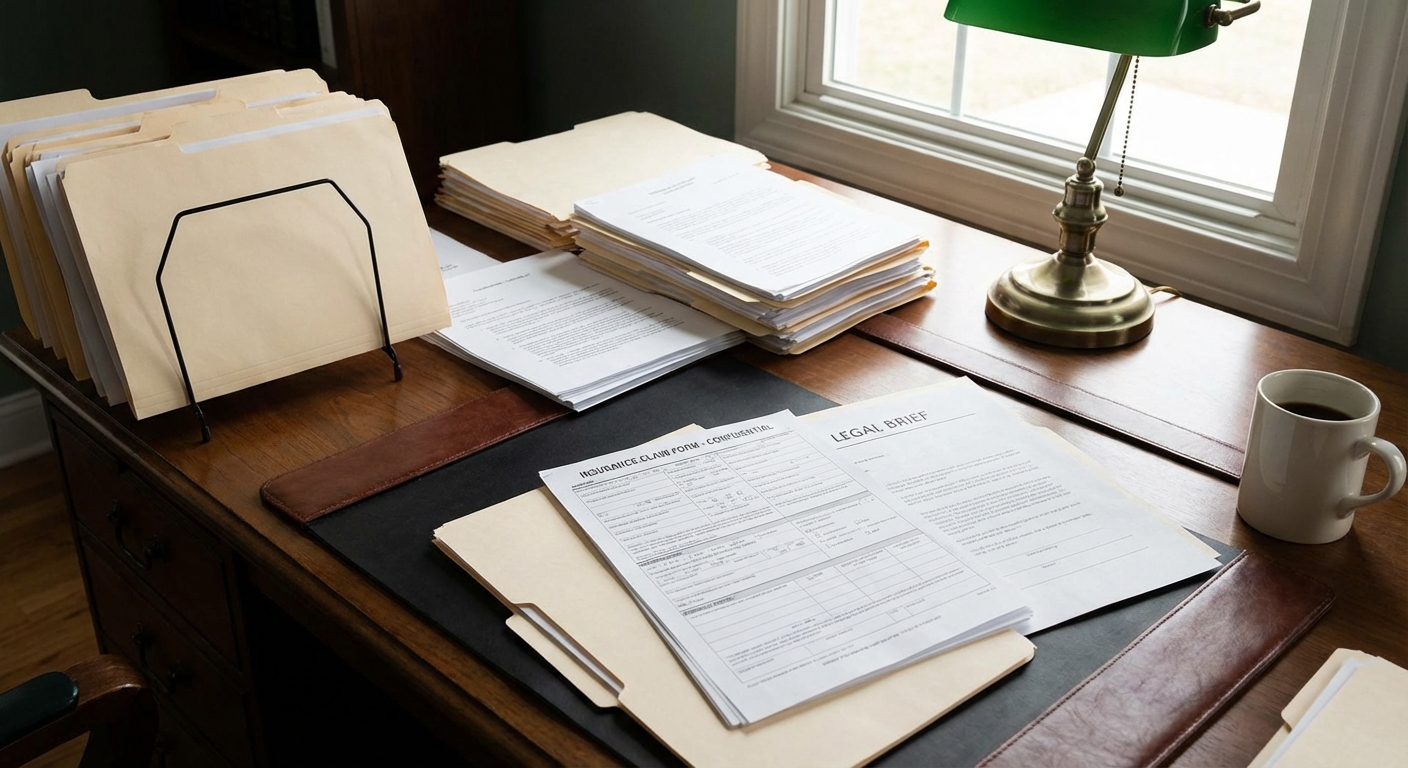
The success of a commercial truck accident claim hinges on the evidence secured and preserved. Unlike car accidents, truck crashes generate a unique set of data points regulated by federal law. Electronic logging devices (ELDs) record a driver's hours-of-service, showing compliance or violations of the strict 11-hour driving limit and 10-hour off-duty requirements. These records, along with dispatch logs and bills of lading, can reveal if a driver was fatigued or operating outside legal parameters. Vehicle maintenance records, inspection reports (like BIT inspections), and even the truck's black box data (event data recorders) provide insights into the vehicle's condition leading up to the crash.
Motor carriers are often subject to a 15-day spoliation period in many jurisdictions, meaning they can legally delete certain data after that time if not formally requested. A prompt preservation letter from legal counsel is essential to stop this clock and obligate the carrier to retain all relevant evidence. The Federal Motor Carrier Safety Administration (FMCSA) oversees these regulations, and understanding their application is key to building a strong case. For instance, a poor Compliance, Safety, Accountability (CSA) score for a motor carrier, available publicly through the [FMCSA's SAFER system](https://safer.fmcsa.dot.gov/CompanySnapshot.aspx), can indicate a pattern of safety violations and support a direct negligence claim against the carrier itself. These are complex technical details that require an insider's perspective to fully leverage. The San Francisco Police Department will generate a crash report, but that's just the starting point; it rarely captures the full scope of federal regulatory violations or the corporate negligence behind them.
Talk to a truck accident lawyer today
Free consultation — no fees unless your case wins.
Get started →Identifying Liable Parties Beyond the Driver in California CMV Crashes
A common misconception after a commercial truck accident is that only the truck driver can be held responsible. However, the commercial trucking industry operates with multiple entities, each potentially holding a piece of the liability. In California, identifying all negligent parties is crucial for recovering full compensation, especially considering the severe injuries often treated at facilities like Zuckerberg San Francisco General Hospital and Trauma Center after these incidents. Beyond the driver, the motor carrier (the company employing the driver or owning the truck) is almost always a defendant. They can be held vicariously liable for their driver's actions under the principle of *respondeat superior*.
Moreover, direct negligence claims against the motor carrier are common. This might involve negligent hiring practices (failing to properly vet a driver's background or qualifications), negligent supervision (not monitoring HOS compliance), negligent maintenance (failing to keep the rig in safe operating condition), or even pressuring drivers to violate federal regulations to meet deadlines. Other potential defendants include the owner of the trailer (if different from the tractor owner), the cargo loader (if improper loading caused a weight shift or spill), the broker (who arranged the shipment), or even the manufacturer of a defective truck part. Each of these entities has insurance policies and legal responsibilities. Uncovering all liable parties requires a thorough investigation into contracts, dispatch records, and corporate structures, which is a specialized area of legal practice for truck accident claims.
The Impact of California's Pure Comparative Negligence Rule on Truck Accident Cases
California operates under a system of pure comparative negligence. This legal rule means that an injured party can still recover damages even if they were partially at fault for the accident. However, their total compensation will be reduced by their percentage of fault. For example, if a jury determines you suffered $1,000,000 in damages but were 20% responsible for the collision, you would receive $800,000. This rule is particularly relevant in complex commercial motor vehicle accidents, where multiple factors and parties contribute to the incident.
The defense in a San Francisco truck accident case will often try to assign a significant percentage of fault to the plaintiff to reduce their payout. This strategy is common, and it highlights the importance of having a legal team that can meticulously reconstruct the accident, challenge the defense's narrative, and clearly establish the truck driver's and motor carrier's negligence. Evidence such as event data recorder (EDR) information from both the truck and the passenger vehicle, witness statements, and expert accident reconstruction can be vital in countering claims of comparative fault. Understanding how this rule applies and how to defend against accusations of shared fault is a critical component of navigating a commercial truck accident claim in California, ensuring that any awarded compensation accurately reflects the actual damages incurred.
Choosing a San Francisco Truck Accident Lawyer: What to Look For
After a serious commercial motor vehicle collision in San Francisco, selecting the right legal representation is a decision that significantly impacts your ability to recover. You need more than just a personal injury attorney; you need a legal professional with an industry-insider perspective on commercial trucking. This means someone familiar with the specific operational realities of Class 8 vehicles, the nuances of federal trucking regulations, and the tactics motor carriers and their insurers employ. A specialist knows to immediately send a preservation letter to demand access to electronic logging device (ELD) data, driver qualification files, and vehicle maintenance logs before they can be legally purged.
Look for a lawyer who speaks the language of the trucking industry: HOS logs, CSA scores, DOT physicals, and FMCSA audits. They should be prepared to identify all potential defendants, from the driver and motor carrier to the shipper or broker, and understand how to leverage regulations against them. They also need to be familiar with the local legal landscape, including the procedures at the San Francisco Superior Court and how California's pure comparative negligence rule might affect your case. The stakes in these cases are often high, involving severe injuries or fatalities, so the attorney's experience with significant claims and their willingness to go to trial, if necessary, are paramount. This specialized knowledge is what differentiates a general practitioner from an advocate truly equipped to handle the complexities of a big rig crash.
Common questions
What is a preservation letter in a truck accident case?
A preservation letter is a formal legal notice sent to a trucking company immediately after a crash. It legally compels them to retain all evidence related to the accident, such as ELD data, driver logs, maintenance records, and black box information, preventing its destruction or spoliation.
How long do I have to file a truck accident lawsuit in California?
In California, you generally have two years from the date of the injury to file a personal injury lawsuit, as specified by California Code of Civil Procedure § 335.1. Missing this deadline, known as the statute of limitations, typically bars you from pursuing your claim.
What role does ELD data play in a truck accident case?
Electronic logging device (ELD) data is crucial because it accurately records a commercial driver's hours-of-service (HOS). This data can prove if a driver was operating beyond legal limits, fatigued, or violating FMCSA regulations, providing strong evidence of negligence.
Can a trucking company be held directly responsible, not just the driver?
Yes, a motor carrier can be held directly responsible if their own negligence contributed to the crash. This includes negligent hiring, inadequate training, poor vehicle maintenance, or pressuring drivers to violate federal safety regulations, all of which are distinct from the driver's actions.
Where would a truck accident case be heard in San Francisco?
A truck accident case originating in San Francisco would typically be heard in the Civil Division of the San Francisco Superior Court, located at 400 McAllister Street. This court handles civil disputes, including personal injury claims arising from commercial vehicle collisions.
What if I was partially at fault for the accident?
California follows a pure comparative negligence rule, meaning you can still recover damages even if you were partly at fault. However, the amount of compensation you receive will be reduced by your assigned percentage of fault for the accident.
Experienced truck accident attorneys. No upfront cost.
Free consultation →