

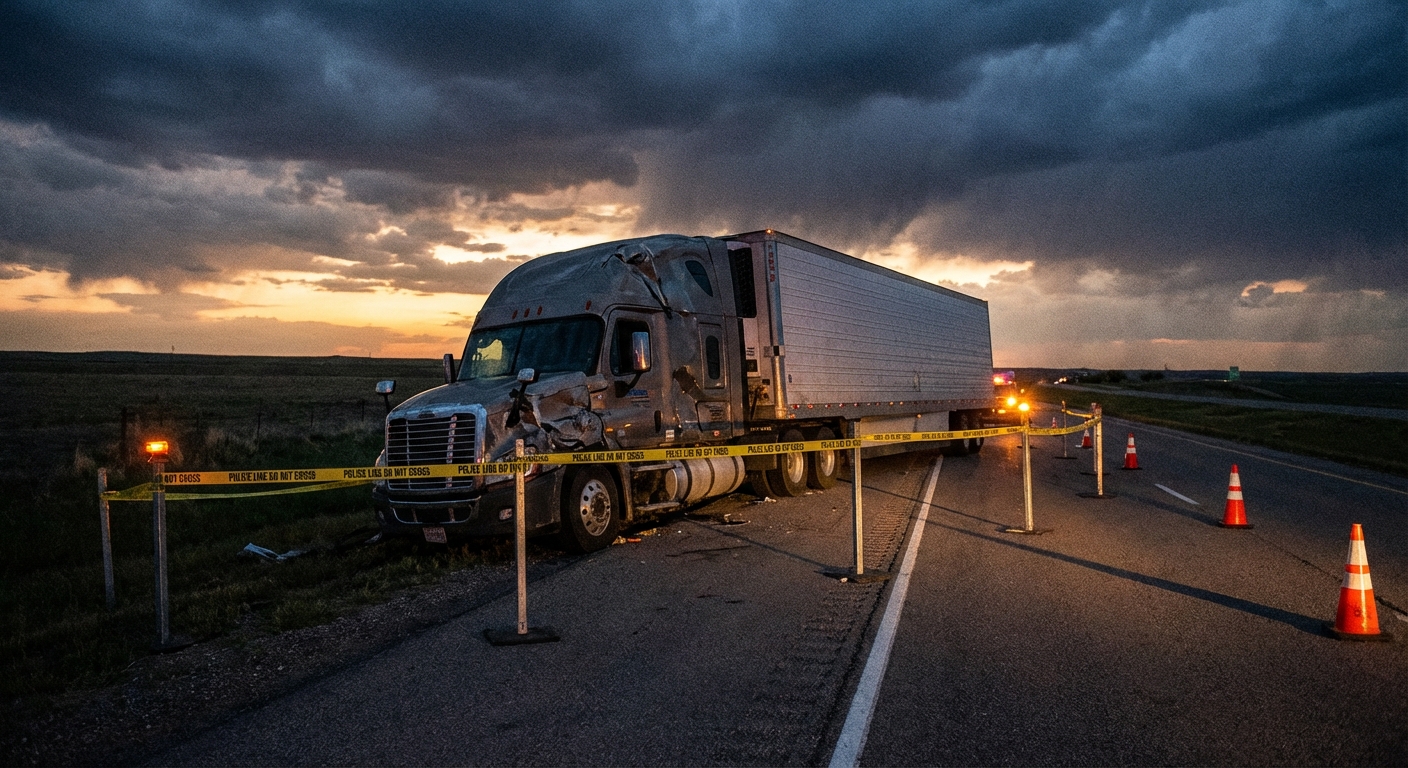
San Jose Truck Accident Lawyer: Protecting Your Rights After a Commercial Motor Vehicle Crash
A San Jose truck accident lawyer investigates commercial motor vehicle (CMV) crashes by immediately focusing on evidence preservation and understanding complex federal trucking regulations. These cases differ significantly from typical car accidents due to the sheer size and weight disparity, intricate liability rules, and the extensive data controlled by motor carriers. An attorney skilled in this area understands how to issue a preservation letter to prevent spoliation of crucial evidence. This includes electronic logging device (ELD) data, driver qualification files, and post-crash drug screen results. They know to examine the motor carrier's CSA scores and Hours of Service (HOS) logs for potential violations, which are often key to establishing negligence. In Santa Clara County, pursuing a claim after an 18-wheeler collision requires this specialized insight from the outset.
Why a San Jose Truck Accident Lawyer is Different: The CMV Investigation
Commercial motor vehicle (CMV) crashes in San Jose demand a different legal approach than standard car accidents. An 18-wheeler can weigh up to 80,000 pounds when fully loaded, vastly exceeding a passenger car's weight. This weight disparity means collisions often result in severe injuries or fatalities. The legal framework surrounding these incidents is also far more complex, involving federal regulations from the Federal Motor Carrier Safety Administration (FMCSA) in addition to state laws.
Immediately after a crash involving a big rig on, for instance, the I-880 corridor or US-101 in San Jose, critical evidence begins to disappear. Motor carriers often have strict document retention policies. Without swift action, electronic logging device (ELD) data, driver qualification files, maintenance records, and post-crash drug screen results can be altered or deleted. A preservation letter sent by a lawyer can legally compel the motor carrier to retain this evidence, preventing spoliation. This initial investigative step is crucial. Understanding the intricacies of these regulations and the industry's operational realities is what sets a specialized attorney apart. They are equipped to interpret complex data, identify all potential defendants, and build a case based on concrete evidence, not assumptions.
Key Evidence in San Jose Commercial Truck Crash Cases
Building a strong case after a San Jose commercial truck crash hinges on securing specific types of evidence. Unlike car accidents, truck collisions generate a wealth of data that can pinpoint liability. Electronic logging devices (ELDs), for example, record a driver's Hours of Service (HOS), speed, and location. This data is invaluable for proving fatigue or other HOS violations. Driver qualification files contain medical certifications, driving history, and training records. These can reveal issues like a history of unsafe driving or a lack of proper endorsements.
Maintenance records for the tractor and trailer are also critical. They show if the rig was regularly inspected and repaired, or if mechanical failures contributed to the incident. Dispatch records, bills of lading, and fuel receipts can establish the driver's route, load details, and whether they were pressured to meet unrealistic deadlines. Furthermore, the motor carrier's Compliance, Safety, Accountability (CSA) scores provide insight into their overall safety performance, including past violations related to unsafe driving or vehicle maintenance. The National Highway Traffic Safety Administration (NHTSA) provides valuable data and research on large truck crashes, underscoring the importance of thorough evidence gathering in these complex cases. Securing this evidence quickly is paramount, as companies may destroy it if not legally compelled to preserve it.
Talk to a truck accident lawyer today
Free consultation — no fees unless your case wins.
Get started →Understanding Federal Trucking Regulations and Violations
Federal regulations govern nearly every aspect of commercial trucking, and violations often contribute to San Jose truck crashes. The Federal Motor Carrier Safety Administration (FMCSA) sets standards for driver qualifications, vehicle maintenance, and Hours of Service (HOS). HOS rules dictate how long a driver can operate a CMV, how much rest they need, and when they must take breaks. A driver exceeding their 11-hour driving limit or 14-hour duty limit before a crash, for instance, indicates a clear HOS violation. This directly points to potential driver fatigue as a cause.
Beyond HOS, regulations cover drug and alcohol testing, vehicle inspection protocols, and cargo securement. For example, a driver must pass a DOT physical to maintain their medical certification. If a driver involved in a San Jose accident had an expired certification or failed a post-crash drug screen, it highlights a serious regulatory breach. Motor carriers are also responsible for maintaining their fleet and ensuring drivers are properly trained. When a carrier fails in these duties, and a crash occurs, it can establish a direct negligence claim against the company itself. Knowledge of these specific regulations is essential to identify all avenues of liability.
Identifying All Responsible Parties in a San Jose Truck Crash
A San Jose commercial truck crash often involves more defendants than just the truck driver. The motor carrier employing the driver is almost always a primary defendant. They are responsible for their driver's actions and their own operational safety. This includes ensuring proper hiring, training, and supervision, as well as maintaining their fleet and adhering to FMCSA regulations. If a motor carrier has a poor CSA score indicating a pattern of safety violations, it can strengthen a claim of direct negligence against them.
However, other parties can also hold liability. The company that owns the trailer, if different from the tractor owner, could be responsible for trailer defects. The shipper who loaded the cargo might be liable if the load was improperly secured, leading to an unstable rig. Brokers who arrange transportation can sometimes be held responsible for hiring unsafe carriers. Even the manufacturer of a defective truck part, like faulty brakes, could face a product liability claim. Identifying all potentially liable parties requires a thorough investigation into the entire supply chain and the specific circumstances of the crash on a San Jose roadway. It's not uncommon for multiple entities to share fault in these high-stakes cases.
Deciding on Legal Action After a San Jose Big Rig Collision
Deciding whether to pursue legal action after a big rig collision in San Jose involves understanding the process and your state's specific laws. In California, the statute of limitations for personal injury claims, including those from truck accidents, is generally two years from the date of the injury, as outlined in California Code of Civil Procedure § 335.1. Missing this deadline means you'll likely lose your right to file a lawsuit in the Santa Clara County Superior Court.
California also follows a pure comparative negligence rule. This means if you are found partially at fault for the crash, your compensation may be reduced by your percentage of fault. For example, if you are 20% at fault, your settlement or award will be reduced by 20%. The legal process typically begins with an investigation, followed by demand letters and negotiations with insurance companies. If a fair settlement cannot be reached, the case may proceed to litigation. This involves filing a lawsuit, conducting discovery (where both sides exchange information), and potentially going to trial. Given the complexity and potential for significant injuries requiring care at facilities like Santa Clara Valley Medical Center, understanding these steps is vital.
Common questions
How long do I have to file a truck accident lawsuit in California?
In California, you generally have two years from the date of the truck accident to file a personal injury lawsuit. This deadline is set by California Code of Civil Procedure § 335.1. There are limited exceptions, so acting promptly is always advisable.
What is a commercial motor vehicle (CMV) and why does it matter?
A commercial motor vehicle (CMV) is a vehicle used in commerce to transport passengers or property, often defined by its weight (over 10,001 pounds) or capacity. This classification matters because CMVs are subject to strict federal and state regulations, which introduce additional layers of liability in a crash.
How do Hours of Service (HOS) rules impact a truck accident claim?
Hours of Service (HOS) rules dictate how long a commercial driver can operate their rig and when they must rest. If a driver was operating outside these legal limits when a crash occurred, it can be strong evidence of negligence and a direct violation of FMCSA regulations, strengthening your claim.
What is a preservation letter, and why is it critical after a truck crash?
A preservation letter is a formal legal notice sent to a motor carrier, demanding they retain all evidence related to a crash. It is critical because trucking companies have internal policies that allow them to destroy data, like ELD records or maintenance logs, after a certain period, which could weaken your case.
Can I sue the trucking company directly, not just the driver?
Yes, you can often sue the trucking company directly. Motor carriers can be held liable for their driver's negligence, and they may also be directly negligent through actions like improper hiring, inadequate training, poor vehicle maintenance, or pressuring drivers to violate HOS rules.
What is spoliation of evidence in a truck accident case?
Spoliation of evidence refers to the intentional or negligent destruction or alteration of evidence relevant to a legal claim. In truck accident cases, this often involves ELD data, driver logs, or vehicle inspection reports. Preventing spoliation with a preservation letter is a key early step.
Experienced truck accident attorneys. No upfront cost.
Free consultation →