

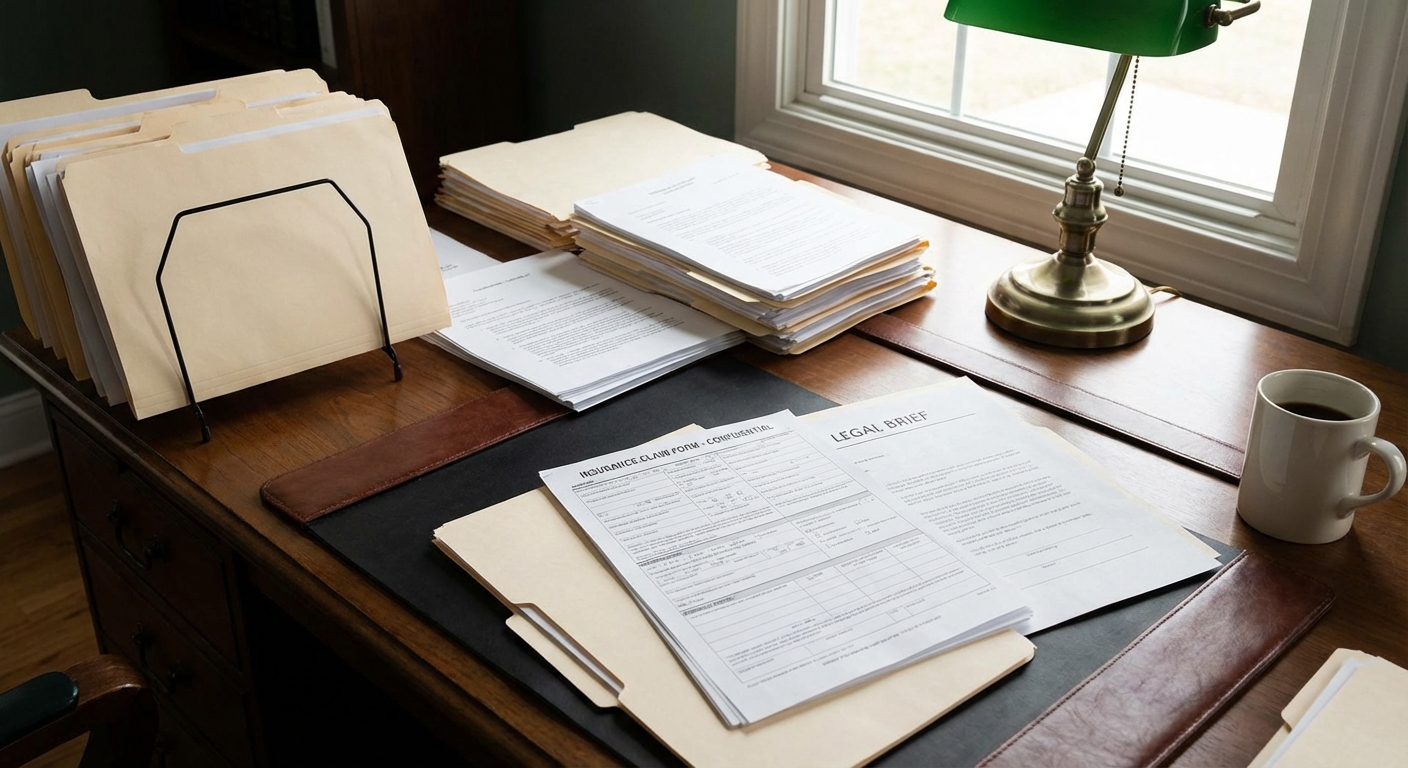
Torrance Truck Accident Lawyer: Specialized Legal Insight for CMV Incidents
A commercial motor vehicle crash in Torrance, especially on routes like the I-405 or Sepulveda Boulevard, requires immediate, specialized attention to evidence. Unlike car accidents, 18-wheeler collisions involve complex federal and state regulations, including FMCSA hours-of-service rules and maintenance logs. Securing critical data like ELD records, driver qualification files, and post-crash drug screen results is paramount. Without swift action, motor carriers can legally destroy this evidence after a brief period, potentially weakening a plaintiff's case. Understanding California's pure comparative negligence rule and the two-year statute of limitations for personal injury claims is also vital for residents of Torrance. This specialized legal knowledge protects your ability to pursue full compensation for damages stemming from a serious rig accident.
Most Dangerous Routes for Big Rig Crashes in Torrance
Torrance, a key city in the South Bay, sees significant commercial vehicle traffic due to its industrial base and proximity to major ports and freeways. This density naturally increases the risk of serious 18-wheeler collisions. Key arteries like the I-405 Freeway are particularly prone to truck accidents, especially near major interchanges such as Artesia Boulevard or Sepulveda Boulevard. These sections experience heavy congestion, sudden stops, and frequent lane changes, which challenge even the most experienced CMV drivers.
The I-110 Freeway also carries substantial commercial freight heading to and from the Port of Los Angeles, cutting through nearby Carson and impacting traffic patterns in Torrance. Surface streets like Pacific Coast Highway (PCH), Sepulveda Boulevard, and Hawthorne Boulevard also see frequent big rig activity, especially where they intersect with major commercial routes or industrial zones. The volume of both passenger vehicles and commercial motor vehicles on these routes, combined with urban driving conditions, creates a heightened risk for severe incidents. Understanding these high-risk areas is the first step in recognizing the unique challenges of a Torrance truck accident claim. The California Department of Transportation (Caltrans) tracks traffic data and incidents across the state's highway system, providing insight into these patterns.
What to Do at the Scene of a Torrance Truck Accident
After a commercial motor vehicle collision in Torrance, your immediate actions are critical for both your safety and the integrity of your potential claim. First, call 911 immediately to report the incident to the Torrance Police Department and request emergency medical services. Even if you feel fine, paramedics should evaluate you at the scene, and if necessary, transport you to a facility like Harbor-UCLA Medical Center, a Level I trauma center equipped for severe injuries.
While waiting for authorities, if it's safe to do so, document everything. Use your phone to take extensive photos and videos of the crash scene, including the positions of all vehicles, damage, road conditions, traffic signals, and any visible injuries. Pay close attention to the big rig's identifying information: the motor carrier's name, DOT number, license plate, and any cargo details on the side of the trailer. Exchange insurance and contact information with the truck driver, but avoid discussing fault or making any statements that could be misinterpreted. Your focus at the scene should be on safety, securing medical attention, and preserving raw, factual evidence.
Talk to a truck accident lawyer today
Free consultation — no fees unless your case wins.
Get started →Local Reporting and Evidence Preservation After a CMV Incident
Following a serious commercial motor vehicle crash in Torrance, obtaining the official incident report from the Torrance Police Department or the California Highway Patrol (CHP) is a crucial early step. These reports provide an official account of the accident, often including preliminary findings on fault, diagrams, and witness statements. However, these reports are just a starting point for a comprehensive investigation into a big rig collision.
The most critical aspect of a truck accident claim is rapid evidence preservation. Motor carriers are subject to federal regulations, but they also have internal policies regarding data retention. Essential evidence like the truck's ELD data, driver's hours-of-service logs, post-crash drug and alcohol test results, maintenance records, and driver qualification files can be routinely purged after a short period, sometimes as little as 15 days. Issuing a formal preservation letter, also known as a spoliation letter, to the motor carrier and all relevant parties immediately after the incident is paramount. This legal notice obligates them to retain all relevant evidence, preventing its destruction and protecting your ability to prove liability.
Finding a Torrance-Specific Attorney for a Commercial Truck Crash
When a commercial motor vehicle crash occurs in Torrance, selecting legal representation goes beyond finding a general personal injury lawyer. You need an attorney with specific expertise in complex federal trucking regulations and local court procedures. Cases arising from big rig incidents in Torrance will typically be filed in the Los Angeles County Superior Court, specifically at the Stanley Mosk Courthouse. An attorney familiar with this court system understands the local judges, jury pools, and procedural nuances that can influence a case's trajectory.
Furthermore, California law has specific provisions that impact truck accident claims. For instance, the state operates under a pure comparative negligence rule, meaning you can still recover damages even if you were partly at fault, though your compensation will be reduced by your percentage of blame. The statute of limitations for personal injury claims in California is generally two years from the date of the injury. A lawyer with this specialized knowledge understands how to apply these rules to your unique situation, how to value a claim in the local jurisdiction, and how to challenge the motor carrier's defense strategies effectively. The State Bar of California provides resources for finding legal professionals with specific practice area expertise.
Common questions
How long do I have to file a claim after a Torrance truck accident?
In California, you generally have two years from the date of the injury to file a personal injury lawsuit. This is known as the statute of limitations. Missing this deadline can mean losing your right to pursue compensation.
What kind of evidence is crucial in a Torrance 18-wheeler crash?
Crucial evidence includes the truck's ELD data, driver's hours-of-service logs, maintenance records, driver qualification files, post-crash drug screen results, dashcam footage, and the motor carrier's CSA scores. Timely preservation of this data is vital.
Where do Torrance truck accident cases typically get filed?
Most commercial truck accident cases originating in Torrance, as part of Los Angeles County, are filed in the Los Angeles County Superior Court, often at the Stanley Mosk Courthouse in downtown Los Angeles.
What role does the Torrance Police Department play after a big rig collision?
The Torrance Police Department responds to accident scenes, secures the area, investigates the incident, and generates an official traffic collision report. This report is a key document, but it's often just one piece of a larger legal investigation.
Can I still recover compensation if I was partly at fault for a truck accident in Torrance?
Yes, California follows a pure comparative negligence rule. This means you can still recover damages even if you were partly at fault, but your compensation will be reduced by your assigned percentage of blame.
Experienced truck accident attorneys. No upfront cost.
Free consultation →