

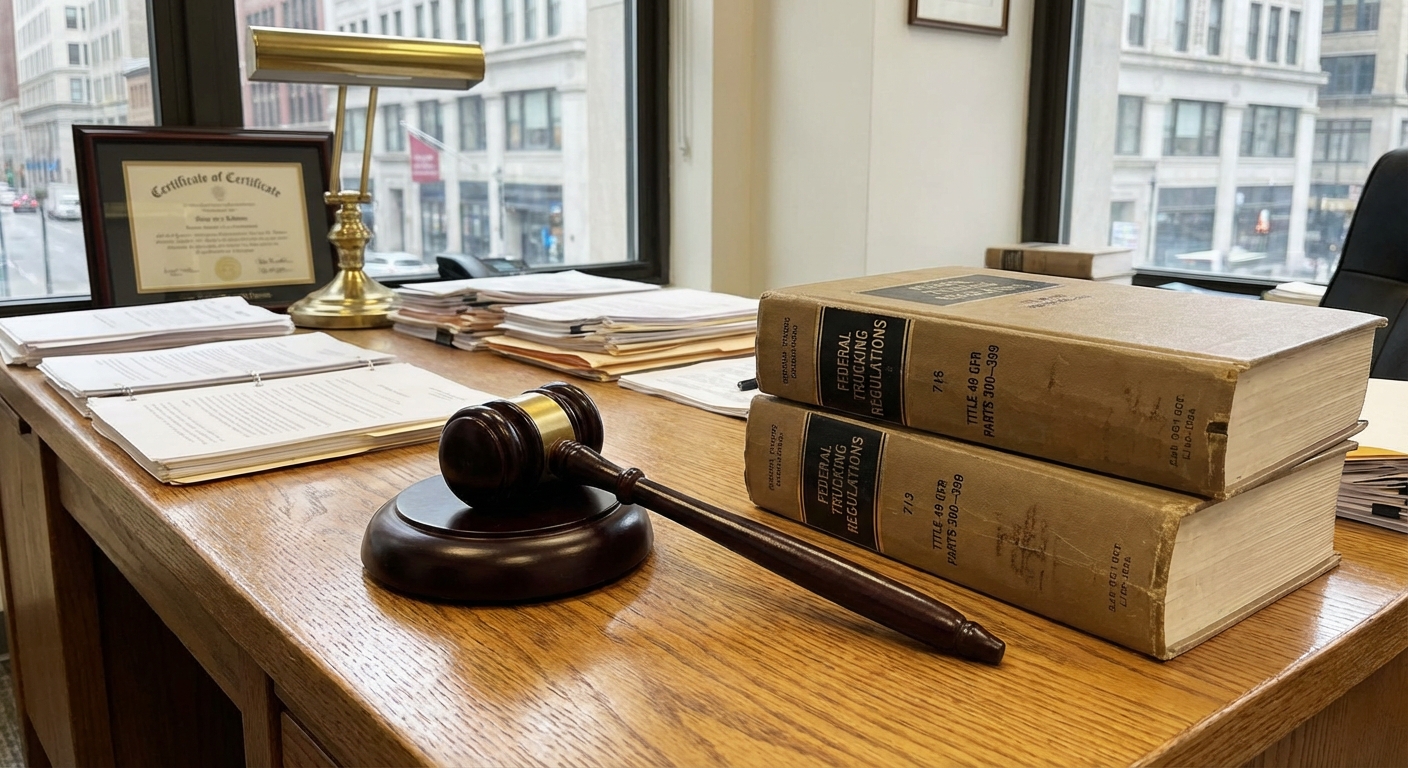
Specialized Dallas Truck Accident Attorney vs. General Personal Injury Lawyer
A specialized commercial truck accident attorney in Dallas is generally the more effective choice for victims of 18-wheeler crashes compared to a general personal injury lawyer. These cases are distinct due to the complex federal and state regulations governing commercial motor vehicles, the unique evidence streams like ELD data and HOS logs, and the sophisticated defense strategies employed by motor carriers and their insurers. A specialist understands the nuances of FMCSA rules, how to interpret CSA scores, and the critical importance of issuing a preservation letter immediately to prevent spoliation of crucial evidence. Their focus means they are already familiar with the specific legal and technical challenges that define these high-stakes claims in Dallas.
When a General Personal Injury Lawyer's Experience May Be Sufficient
A general personal injury attorney possesses broad litigation skills applicable to many accident types. They understand liability, damages, and trial procedures. For simpler incidents, such as minor collisions with clear fault where injuries are not severe and federal trucking regulations are not a factor, a generalist's approach can be adequate. These might involve cases where a small delivery truck, not a large commercial motor vehicle, caused minimal property damage and soft tissue injuries, and the at-fault driver's insurance readily accepts responsibility. However, the unique legal landscape of commercial trucking means such straightforward scenarios are rare. The potential for catastrophic harm in Dallas truck accidents often necessitates a deeper level of specific expertise.
When a Specialized Dallas Truck Accident Attorney Excels
A specialized commercial truck accident attorney brings an industry-insider perspective crucial for complex cases. They are fluent in federal Motor Carrier Safety Regulations (FMCSA) and state-specific trucking laws. This expertise allows them to quickly identify violations related to hours of service (HOS), driver qualification files, maintenance records, and post-crash drug and alcohol testing. They know how to demand and interpret electronic logging device (ELD) data, dispatch records, bills of lading, and the motor carrier's Compliance, Safety, Accountability (CSA) scores. These specialists understand the aggressive tactics used by motor carrier defense teams and are adept at issuing immediate [preservation letters](https://www.fmcsa.dot.gov/) to prevent the spoliation of critical evidence. Their focus on commercial vehicle law means they are better equipped to build a compelling case against all liable parties, which often extends beyond the driver to include the motor carrier, shipper, or broker. This specialized knowledge is particularly valuable in a high-traffic area like Dallas.
Talk to a truck accident lawyer today
Free consultation — no fees unless your case wins.
Get started →Cost Comparison: Contingency Fees in Truck Accident Cases
Both general personal injury attorneys and specialized commercial truck accident attorneys typically operate on a contingency fee basis. This means you don't pay upfront legal fees. Instead, the attorney's payment is a percentage of the final settlement or verdict amount. If there's no recovery, you owe no attorney fees. While the percentage might be similar, specialized attorneys often incur higher case costs due to the need for expert witnesses, accident reconstructionists, and extensive discovery requests. These experts are vital for proving complex liability and damage claims in commercial truck cases. However, their specialized approach often leads to a more favorable outcome, potentially resulting in a significantly larger net recovery for the injured party, even after accounting for higher case expenses. The investment in a specialist can pay dividends in the long run.
Dallas-Specific Considerations for Truck Accident Claims
Navigating a commercial truck accident claim in Dallas involves understanding local legal nuances and resources. Texas law sets a two-year statute of limitations for most personal injury claims, meaning legal action must commence within two years from the date of the incident (Texas Civil Practice and Remedies Code § 16.003). Additionally, Texas follows a modified comparative negligence rule, which bars recovery if an injured party is found to be more than 50% at fault for the crash (Texas Civil Practice and Remedies Code § 33.001). Cases involving Dallas truck accidents are heard in the Dallas County Civil District Courts, located within the George L. Allen, Sr. Courts Building at 600 Commerce St. The sheer volume of commercial traffic on major arteries like I-35E and the "High Five" interchange in Dallas contributes to the frequency of serious incidents. An attorney familiar with Dallas courts, local law enforcement reporting, and the specific challenges of commercial vehicle crashes in this metro area is a critical asset. For more details on state-specific legal guidelines, you can consult resources from the [Texas Bar Association](https://www.texasbar.com/).
Common questions
How quickly should I contact an attorney after a Dallas truck accident?
Immediate action is crucial. Commercial motor carriers are often bound by short spoliation periods for evidence like ELD data and dashcam footage. A specialized attorney can issue a preservation letter right away, legally compelling the carrier to retain this critical information. Delaying can mean vital evidence is lost forever.
What types of evidence are unique to commercial truck accident cases?
Unlike car accidents, truck cases involve evidence such as electronic logging device (ELD) data, driver hours-of-service (HOS) logs, driver qualification files, maintenance records, post-crash drug and alcohol test results, black box data, and the motor carrier's CSA scores. These documents provide insight into driver fatigue, vehicle maintenance, and carrier safety practices.
Can I sue the trucking company directly, or just the driver?
Often, you can sue both the driver and the trucking company (motor carrier). The motor carrier may be held liable for negligent hiring, training, supervision, or maintenance, especially if their CSA scores indicate a pattern of safety violations. In some cases, other parties like the shipper or broker might also bear responsibility.
What is a 'preservation letter' and why is it important in Dallas truck accident claims?
A preservation letter, also known as a spoliation letter, is a formal legal notice sent to the trucking company. It demands that they preserve all evidence related to the crash, including physical evidence, electronic data, and documents. In Texas, failing to issue this letter promptly can allow the carrier to legally destroy evidence after a certain period, severely weakening your claim.
What is the average settlement for a truck accident in Dallas?
Settlement values for commercial truck accidents in Dallas vary widely. They depend on factors like the severity of injuries, medical expenses, lost wages, pain and suffering, and the clarity of liability. Unlike minor car accidents, truck crash claims often involve catastrophic injuries and significant economic losses, leading to potentially much higher settlements. There is no 'average' figure that applies to all cases.
Experienced truck accident attorneys. No upfront cost.
Free consultation →