

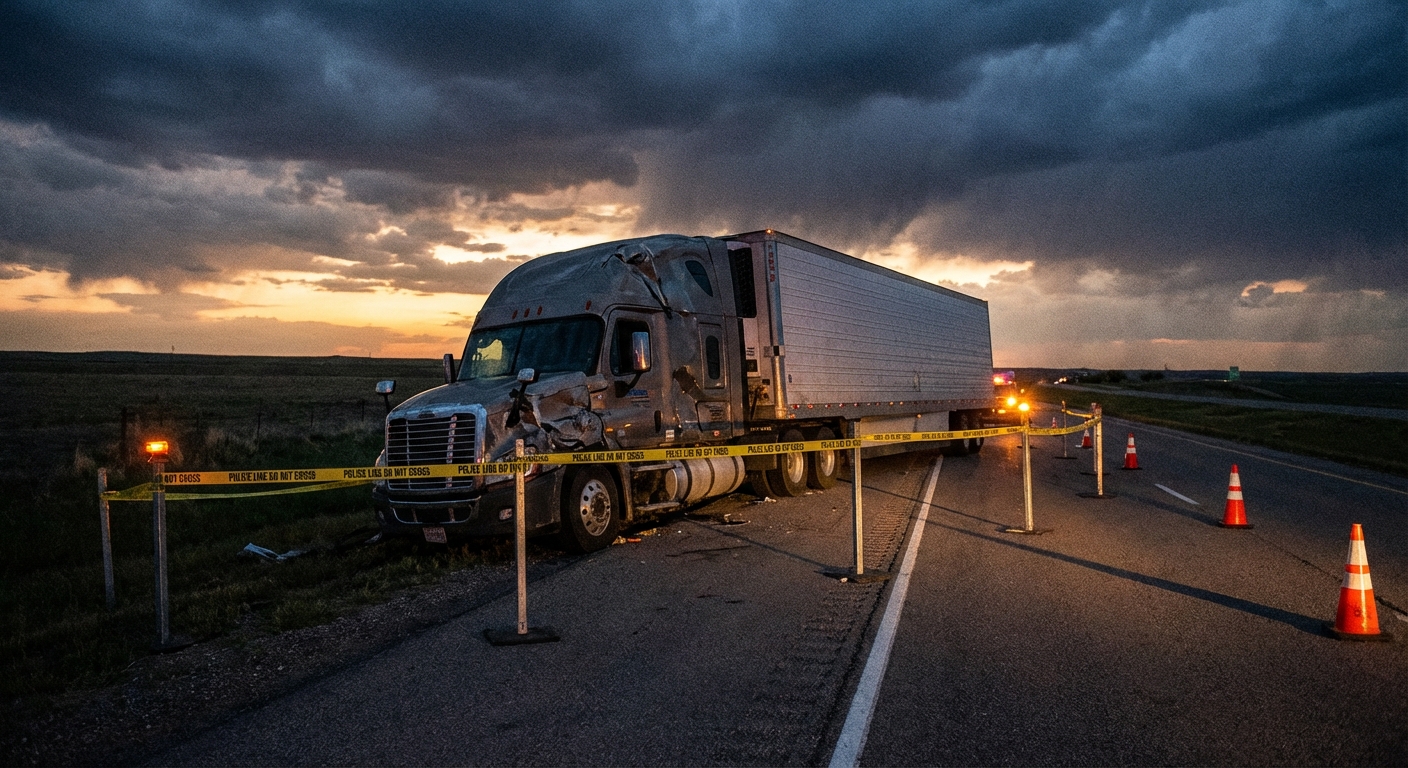
Statute of Limitations for Truck Accident Claims in Stockton
The statute of limitations for a truck accident claim varies by the specific state where the incident occurred. This legal deadline dictates the maximum time a party has to file a lawsuit after an injury or loss. Missing this deadline typically means the claim is permanently barred, regardless of its merits. While the precise timeframe for a claim originating in the Stockton area would be determined by the relevant state statute, these limits commonly range from one to six years. Identifying this critical legal period is essential for anyone involved in a commercial motor vehicle collision. Acting quickly to determine the applicable statute and preserve crucial evidence is paramount to maintaining legal options.
Understanding the Statute of Limitations for a Truck Accident Claim
The statute of limitations is a legal rule setting a firm deadline for filing a lawsuit. For a truck accident claim, this means there's a specific window of time to initiate legal action against the motor carrier, driver, or other liable parties. This period is not universal; it is established by individual state laws. For instance, some states allow only one year, while others provide up to six years.
For a claim originating in an area like Stockton, the specific statute of limitations would be dictated by the applicable state law. However, for this discussion, we will refer to this critical deadline as NN/A years, underscoring that the precise timeframe must be verified based on the exact jurisdiction and circumstances of your case. Failing to file within this period usually results in the court dismissing the case entirely, forfeiting any right to compensation. This makes swift action following a commercial motor vehicle crash non-negotiable.
When Does the Clock Start on a Truck Accident Claim?
Determining the exact start date for the statute of limitations clock is crucial. In most truck accident cases, the clock begins ticking on the "date of injury." This is typically the day the commercial motor vehicle collision occurred. For example, if an 18-wheeler rear-ended a passenger car on January 1st, the statute of limitations would generally start on that same day.
However, certain situations can complicate this. Some states apply a "discovery rule," meaning the clock might not start until the injured party discovers, or reasonably should have discovered, their injury or its cause. This is less common in immediate-impact events like truck crashes, but it can be relevant if an injury's severity or connection to the crash isn't immediately apparent. For instance, a subtle spinal injury might only manifest weeks later. The precise application of the discovery rule varies significantly by state and case specifics.
Talk to a truck accident lawyer today
Free consultation — no fees unless your case wins.
Get started →Exceptions That Can Extend the Filing Deadline
While the statute of limitations is a firm deadline, specific legal exceptions can sometimes extend the filing period. Understanding these exceptions is vital, as they can offer a lifeline for claims that might otherwise appear time-barred.
Common extensions include:
- Minors: If the injured party was under 18 at the time of the truck accident, the statute of limitations often pauses until they reach legal adulthood. This means the clock might not start ticking until their 18th birthday.
- Mental Incapacity: If the injured party is deemed mentally incapacitated and unable to manage their legal affairs, the statute of limitations may be tolled (paused) until their capacity is restored.
- Defendant's Absence: If the at-fault driver or motor carrier leaves the state or cannot be located for service of process, some states will pause the statute of limitations until they return or are found.
- Government Claims: Accidents involving government-owned commercial vehicles or government employees often have shorter, more stringent notice requirements, but in some rare instances, specific government claim procedures can interact differently with the general statute of limitations.
- Wrongful Death: When a truck accident results in a fatality, the statute of limitations for a wrongful death claim can sometimes differ from a personal injury claim, often starting from the date of death, not the date of the incident.
Each exception has precise legal requirements and varies significantly between jurisdictions. It's imperative to investigate all potential extensions carefully.
What Happens If You Miss the Statute of Limitations?
Missing the statute of limitations for a truck accident claim carries severe consequences. Once the deadline passes, the legal system generally considers the claim "time-barred." This means you lose the right to file a lawsuit in court to seek compensation for your injuries and losses. The court will almost certainly dismiss your case, regardless of how strong your evidence of the motor carrier's fault might be or how severe your injuries are.
This rule is strictly enforced to ensure legal certainty and prevent stale claims from burdening the courts. Even if you have compelling evidence like ELD data showing hours-of-service violations or a high CSA score for the trucking company, it becomes irrelevant if the lawsuit isn't filed on time. The legal window closes permanently. This outcome underscores why prompt action after a commercial motor vehicle collision is not just advisable, but legally necessary. It's a critical aspect of personal injury litigation that cannot be overlooked.
Steps to Preserve Your Truck Accident Claim Now
Given the strict nature of the statute of limitations, taking immediate steps to preserve your claim after a commercial motor vehicle accident is paramount. This proactive approach can safeguard your legal options and ensure critical evidence is not lost or destroyed.
- Seek Medical Attention: Prioritize your health by getting immediate medical evaluation. Documenting injuries early creates an official record directly linking them to the crash.
- Gather Evidence at the Scene: If safe to do so, collect photos, witness contact information, and details from the crash report. This includes the CMV's Department of Transportation (DOT) number and license plate.
- Send a Preservation Letter: This is a critical legal tool. A preservation letter formally notifies the motor carrier and any other potentially liable parties to retain all evidence related to the crash. This includes driver qualification files, HOS logs, ELD data, maintenance records, post-crash drug screen results, and dispatch communications. Without such a letter, trucking companies might legally delete data after a certain period, potentially leading to spoliation of evidence. The Federal Motor Carrier Safety Administration (FMCSA) mandates many of these record-keeping requirements, and understanding these rules is key to effective evidence preservation [FMCSA regulations](https://www.fmcsa.dot.gov/).
- Avoid Discussing the Accident: Do not give recorded statements to insurance adjusters without legal counsel. Anything you say can be used against your claim.
- Consult Legal Counsel: A lawyer specializing in commercial truck accidents can quickly identify the applicable statute of limitations, send necessary preservation letters, and begin a thorough investigation. They understand the nuances of federal trucking regulations and state-specific laws, ensuring your claim is managed correctly from the outset. The impact of large commercial vehicles is often severe, leading to significant injuries, as detailed in crash statistics from agencies like the National Highway Traffic Safety Administration (NHTSA) [NHTSA crash data](https://www.nhtsa.gov/).
Taking these steps promptly helps ensure that crucial evidence is secured and your right to pursue compensation remains protected within the legal deadlines.
Common questions
What is the statute of limitations for a truck accident claim?
The statute of limitations is the legal deadline for filing a lawsuit after a truck accident. This period varies by state, typically ranging from one to six years, and is critical to adhere to. For a claim originating in the Stockton area, the specific timeframe would be dictated by the relevant state's laws.
Does the statute of limitations apply to all types of truck accident injuries?
Yes, the statute of limitations generally applies to all personal injury claims stemming from a truck accident, including physical injuries, property damage, and wrongful death. However, the specific rules and deadlines can sometimes differ slightly for unique claim types like wrongful death.
Can I still file a claim if I don't know the exact date of injury?
If the exact date of injury isn't immediately clear, some states may apply a "discovery rule." This rule can delay the start of the statute of limitations until you discover, or reasonably should have discovered, your injury. This is less common in direct impact truck crashes but can be relevant for latent injuries.
How does a preservation letter help with the statute of limitations?
A preservation letter doesn't extend the statute of limitations directly, but it's crucial for gathering evidence needed to build a strong case within that timeframe. It legally compels the trucking company to retain vital evidence like ELD data and driver logs, preventing its destruction and ensuring it's available for your claim.
What if the truck driver was from a different state?
The driver's state of origin typically does not determine the statute of limitations. Instead, the statute of limitations is usually governed by the laws of the state where the truck accident occurred. This is known as the "lex loci delicti" rule in conflict of laws.
Experienced truck accident attorneys. No upfront cost.
Free consultation →