

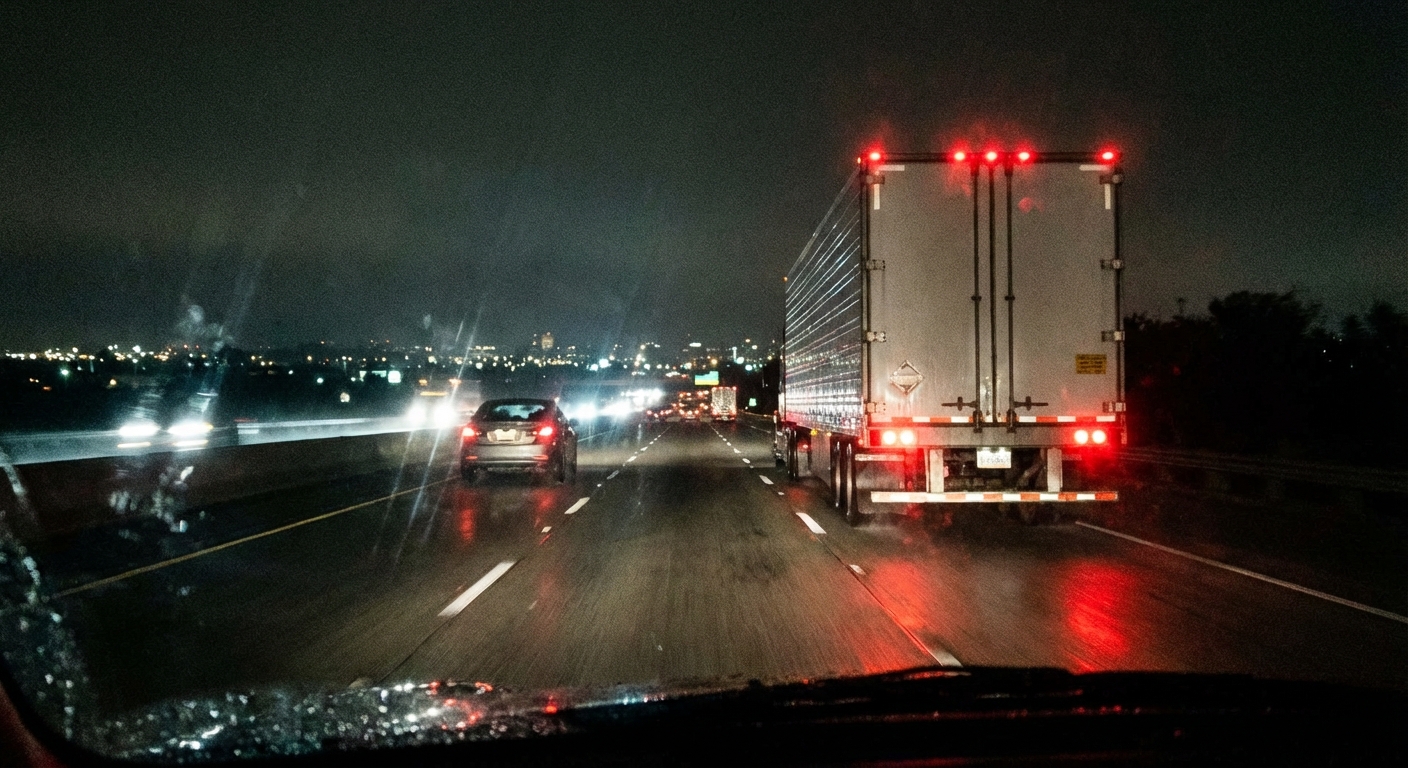
Calculating a San Francisco Trucking Accident Settlement
Settlements for commercial motor vehicle (CMV) accidents in San Francisco can range from hundreds of thousands to several million dollars, depending heavily on the specifics of the collision and the resulting injuries. These figures are not arbitrary; they reflect a complex calculation involving medical expenses, lost wages, pain and suffering, and the clear liability of the motor carrier or driver. Unlike car accidents, trucking cases involve federal regulations, detailed electronic logging device (ELD) data, and a deep investigation into the carrier's compliance history. A San Francisco personal injury case's value hinges on the evidence preserved and presented, often requiring expert analysis of industry standards and crash reconstruction.
What Factors Determine Your Trucking Accident Settlement?
The value of a trucking accident claim is not a simple calculation. It's built on a foundation of specific evidence and legal principles. Understanding these factors is crucial for grasping how a settlement is derived.
- Severity of Injuries: This is often the primary driver of claim value. Catastrophic injuries, like spinal cord damage, traumatic brain injuries, or amputations, lead to higher settlements due due to extensive medical costs, long-term care needs, and significant impacts on quality of life. Minor injuries, while still serious, will naturally yield lower figures.
- Medical Expenses: All past and future medical costs are considered. This includes emergency room visits, surgeries, rehabilitation, prescription medications, and ongoing therapy. Detailed medical records and expert testimony are essential here.
- Lost Wages and Earning Capacity: If the injury prevents the victim from working, past lost income is calculated. For severe injuries, the loss of future earning capacity – the difference between what the victim could have earned and what they can now earn – becomes a major component. This often requires forensic economic analysis.
- Pain and Suffering: This non-economic damage covers physical pain, emotional distress, mental anguish, and loss of enjoyment of life. While harder to quantify, it's a significant part of many settlements, especially in cases with severe, long-lasting injuries. Jurors in San Francisco often consider the impact on a person's daily life very seriously.
- Liability and Fault: The clarity of who is at fault directly impacts the settlement. If the truck driver or motor carrier is clearly negligent, the case is stronger. Evidence like ELD data, dashcam footage, witness statements, and post-crash drug screen results are critical in establishing liability.
- Motor Carrier Negligence: Beyond the driver's actions, the trucking company's own negligence can increase liability. This includes violations of [FMCSA safety regulations](https://www.fmcsa.dot.gov/regulations), poor maintenance records, inadequate driver training, or a history of safety violations reflected in their CSA score. Direct negligence claims against the carrier can significantly increase settlement value.
- Property Damage: The cost to repair or replace the damaged vehicle is a component, though typically smaller than injury-related damages.
- Insurance Policy Limits: The available insurance coverage of the at-fault parties sets a practical upper limit on settlement amounts. Commercial trucking policies typically have much higher limits than personal auto policies, often in the millions of dollars, which is why these cases yield larger settlements.
Typical Settlement Ranges by Injury Severity Tier
While every case is unique, understanding general tiers can provide a framework for potential settlement values in San Francisco commercial trucking accident claims. These ranges reflect what's often seen in negotiations or at trial, assuming clear liability and robust evidence.
- Minor Injuries (e.g., sprains, whiplash, minor fractures with full recovery): Settlements might range from tens of thousands to low hundreds of thousands of dollars. These cases involve medical treatment, some time off work, and a period of recovery without long-term impairment.
- Moderate Injuries (e.g., complex fractures requiring surgery, herniated discs, concussions with residual symptoms): These claims often settle in the low to mid-hundreds of thousands of dollars, potentially reaching $500,000 or more. They involve significant medical intervention, longer recovery times, and a noticeable impact on daily activities or work capacity.
- Severe Injuries (e.g., multiple surgeries, non-paralytic spinal injuries, organ damage, moderate traumatic brain injury): Settlements for severe injuries typically span from $500,000 to several million dollars. These injuries often result in permanent impairment, require extensive ongoing medical care, and lead to substantial losses in earning potential and quality of life.
- Catastrophic Injuries (e.g., paralysis, severe traumatic brain injury, amputation, wrongful death): These are the highest-value cases, frequently resulting in multi-million dollar settlements. The lifetime medical costs, loss of all earning capacity, and profound impact on the victim and their family are immense. In California, wrongful death claims are particularly complex, compensating for loss of financial support, companionship, and other non-economic damages.
Talk to a truck accident lawyer today
Free consultation — no fees unless your case wins.
Get started →San Francisco and California-Specific Settlement Factors
The legal landscape in San Francisco and California adds specific nuances to trucking accident settlement calculations. These local factors can significantly influence the final outcome.
California operates under a Pure Comparative Negligence rule. This means that if the injured party is found partly at fault for the accident, their total damages award will be reduced by their percentage of fault. For example, if a San Francisco jury determines you suffered $1,000,000 in damages but were 20% at fault, you would only recover $800,000. This rule demands a careful and thorough investigation of all parties' actions.
Jury tendencies in San Francisco County are generally considered more favorable to plaintiffs in personal injury cases compared to some other jurisdictions. This can sometimes lead to higher settlement offers from defense counsel, as they anticipate a potentially larger award if the case goes to trial at the Superior Court of California, County of San Francisco, Civic Center Courthouse. Understanding this local judicial environment is part of the strategy in these claims.
Additionally, California does not impose caps on economic or non-economic damages in personal injury cases, including those involving commercial motor vehicles. This is a critical distinction from states that limit what a plaintiff can recover for pain and suffering or other non-economic losses. The absence of such caps means that settlements can fully reflect the true extent of a victim's losses, particularly in cases involving catastrophic injuries. The only significant exception is for medical malpractice cases, which have their own specific damage caps. For trucking accidents, the full scope of damages is available.
When a Settlement Calculator Isn't Enough
Online calculators or general ranges can provide a preliminary idea, but they cannot replace a detailed evaluation by a qualified legal professional. The true value of a trucking accident claim is dynamic and highly dependent on unique case facts, the strength of evidence, and the specific legal strategy employed.
Commercial trucking accidents involve layers of complex regulations, including those from the Federal Motor Carrier Safety Administration (FMCSA) and the California Highway Patrol. The post-crash investigation by the motor carrier's rapid response team begins immediately. They are focused on limiting their liability. An attorney experienced in these specific cases understands how to issue a preservation letter to prevent spoliation of critical evidence like ELD data, dashcam footage, maintenance logs, and driver qualification files. Without this immediate action, vital information proving negligence can be lost. Only a thorough, expert-led investigation can accurately assess all damages and potential avenues of liability against the driver, the motor carrier, and potentially other parties like the shipper or broker. This detailed analysis is what truly informs a realistic settlement figure.
Common questions
How long does a San Francisco trucking accident settlement take?
The timeline varies significantly based on injury severity, liability disputes, and negotiation complexity. Simpler cases might settle in months, while complex ones involving catastrophic injuries or multiple defendants can take several years, especially if a lawsuit is filed and proceeds through discovery and trial prep. The need for extensive medical treatment and rehabilitation also extends the timeline.
What is a preservation letter in a trucking accident case?
A preservation letter is a formal legal notice sent to the trucking company immediately after a crash. It demands that they preserve all evidence related to the incident, including ELD data, driver logs, maintenance records, dashcam footage, and post-crash drug screen results. This prevents the motor carrier from destroying or altering crucial information that could prove their negligence.
Can I still recover if I was partly at fault for a San Francisco trucking accident?
Yes, under California's pure comparative negligence rule, you can still recover damages even if you were partly at fault. Your total compensation will be reduced by your percentage of fault. For instance, if a jury finds you 30% responsible for the collision, your settlement or award will be reduced by 30%.
What is the difference between economic and non-economic damages?
Economic damages are quantifiable financial losses, such as medical bills, lost wages, and property damage. Non-economic damages are subjective losses like pain and suffering, emotional distress, loss of enjoyment of life, and disfigurement. Both are recoverable in California trucking accident claims.
What is a motor carrier's CSA score?
A motor carrier's Compliance, Safety, Accountability (CSA) score is a public safety rating system maintained by the FMCSA. It aggregates data from roadside inspections, crash reports, and investigations to identify carriers with safety problems. A high CSA score in areas like Hours of Service or Unsafe Driving can indicate a pattern of negligence by the motor carrier and strengthen a plaintiff's case.
Do most trucking accident cases go to trial in San Francisco?
The vast majority of trucking accident claims, even complex ones, resolve through settlement negotiations rather than going to a full trial. While a lawsuit may be filed to initiate discovery and formalize the process, both sides often prefer to avoid the expense and uncertainty of a jury verdict. However, the willingness to go to trial often drives better settlement offers.
Experienced truck accident attorneys. No upfront cost.
Free consultation →