

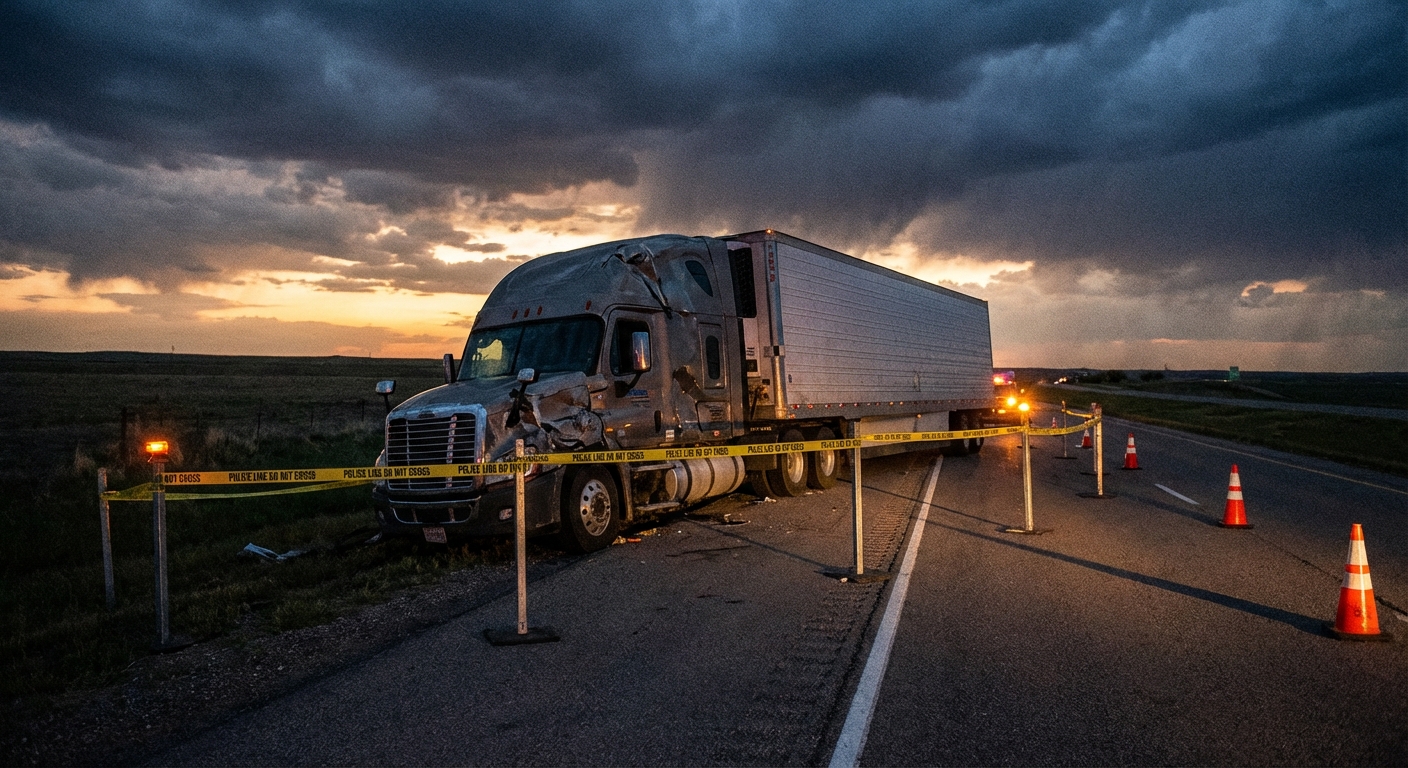
Rancho Cucamonga Truck Accident Settlement Calculator
Calculating the potential settlement value for a commercial motor vehicle (CMV) accident in Rancho Cucamonga involves evaluating many factors, and a precise online calculator cannot provide an exact figure. These cases often result in settlements ranging from tens of thousands for less severe injuries to multiple millions of dollars for catastrophic harm or wrongful death. The final amount depends heavily on the severity of injuries, the total medical expenses, lost wages, the clarity of liability, and the motor carrier's insurance policy limits. Factors like the driver's hours-of-service compliance, ELD data, and the carrier's CSA score also significantly influence the claim's strength and value. A thorough investigation of these technical details is critical for an accurate assessment.
What Factors Determine Your Commercial Truck Accident Settlement?
Commercial truck accident settlements are complex because they involve highly regulated vehicles and often substantial damages. Unlike typical car accidents, the evidence required and the regulations involved are far more extensive. Several key factors directly influence the final settlement value:
- Injury Severity: The most direct impact comes from the nature and extent of your injuries. This includes medical diagnoses, the need for surgeries, long-term rehabilitation, and permanent disability.
- Medical Expenses: All past and future medical costs, including hospital stays, doctor visits, prescription medications, physical therapy, and assistive devices.
- Lost Wages and Earning Capacity: Compensation for income lost due to time off work and any future income you cannot earn because of permanent injuries or disabilities.
- Pain and Suffering: This non-economic damage accounts for physical pain, emotional distress, loss of enjoyment of life, and mental anguish. It often comprises a significant portion of a settlement.
- Liability and Fault: The clarity of who was at fault is crucial. If the truck driver or motor carrier is clearly liable, the case value generally increases. Contributory negligence rules vary by state and can reduce your settlement if you share any blame.
- Evidence Preservation: The timely preservation of critical evidence like ELD data, HOS logs, dashcam footage, and post-crash drug screen results can make or break a case. A preservation letter sent early protects this evidence from spoliation.
- FMCSA Violations: Evidence of the motor carrier or driver violating federal regulations, such as hours-of-service (HOS) rules, vehicle maintenance standards, or driver qualification requirements, can significantly strengthen a claim.
- Insurance Policy Limits: The available insurance coverage of the trucking company, driver, and any other liable parties (like the shipper or broker) sets a practical ceiling on the settlement amount. Commercial policies are often much larger than personal auto policies.
- Legal Representation: Experienced legal counsel understands the intricate federal and state trucking regulations and how to effectively investigate, negotiate, and litigate these high-stakes cases.
Typical Settlement Ranges by Injury Severity in California CMV Crashes
While every commercial motor vehicle accident claim is unique, settlement values generally fall into broad categories based on injury severity. These ranges are not guarantees but reflect common outcomes in California's legal landscape. The precise figure depends on the specific facts and the strength of the evidence:
- Minor Injuries: These cases often involve soft tissue injuries, sprains, or minor whiplash requiring limited medical treatment. Settlements typically fall in the tens of thousands of dollars, covering medical bills, some lost wages, and a modest amount for pain and suffering.
- Moderate Injuries: This category includes more significant injuries like fractures, disc herniations, or concussions that require more extensive medical care, potentially including surgery or extended rehabilitation. Settlements can range into the low to mid-hundreds of thousands of dollars, reflecting higher medical costs, more substantial lost income, and greater non-economic damages.
- Severe Injuries: These are serious injuries leading to long-term impairment, such as traumatic brain injuries, spinal cord damage, or multiple complex fractures. These cases often involve substantial future medical needs and significant reductions in earning capacity. Settlements often reach mid-hundreds of thousands to low millions of dollars.
- Catastrophic Injuries or Wrongful Death: This tier involves life-altering injuries that result in permanent disability, paralysis, severe disfigurement, or the tragic loss of life. These claims account for extensive lifetime medical care, profound loss of earning capacity, and immense pain and suffering. Wrongful death claims also include funeral expenses and the loss of financial and emotional support for surviving family members. These cases frequently result in multi-million dollar settlements.
Talk to a truck accident lawyer today
Free consultation — no fees unless your case wins.
Get started →Rancho Cucamonga and California-Specific Settlement Factors
Truck accident claims in Rancho Cucamonga are subject to California's specific legal framework, which can significantly influence settlement outcomes. Understanding these local and state-level factors is crucial for evaluating a claim's potential value.
California operates under a system of pure comparative negligence. This means that if you are found partially at fault for the accident, your total compensation will be reduced by your percentage of fault. For example, if a jury awards you $1,000,000 but finds you 20% responsible, your award would be reduced to $800,000. This rule applies even if you are found mostly at fault, unlike some states with modified comparative negligence rules.
The statute of limitations for most personal injury claims in California, including those arising from commercial truck accidents, is two years from the date of the injury, as codified in [California Code of Civil Procedure Section 335.1](https://leginfo.legislature.ca.gov/faces/codes_displaySection.xhtml?lawCode=CCP§ionNum=335.1.). Missing this deadline almost always bars your right to file a lawsuit, making timely action critical. There are some exceptions, such as claims against government entities, which have much shorter deadlines, often just six months.
Jury tendencies in San Bernardino County, which includes Rancho Cucamonga, can also play a role. While it's difficult to generalize, the county's demographics and judicial district composition may influence how local juries perceive liability and damages in a commercial motor vehicle crash. Additionally, the presence of major commercial corridors like Interstate 15 (I-15) and Interstate 210 (I-210) means truck traffic is heavy, increasing the potential for crashes and the need for rigorous enforcement of federal trucking regulations by agencies like the [FMCSA](https://www.fmcsa.dot.gov/). The San Bernardino Justice Center is where many civil injury cases for the county are heard, and understanding its procedures is key.
When an Online Calculator Isn't Enough for Your Truck Accident Claim
While settlement calculators can offer a very rough estimate, they cannot account for the intricate details and legal nuances of a commercial motor vehicle accident. These tools often oversimplify complex calculations, especially for high-stakes cases involving severe injuries or fatalities. An algorithm cannot assess the credibility of witnesses, the impact of a driver's poor CSA score, or the specific defense tactics a motor carrier's legal team might employ.
The true value of a truck accident claim is determined by a thorough investigation, expert analysis of crash data (including ELD records and HOS logs), and a deep understanding of federal trucking regulations. Factors like spoliation of evidence, the nuances of comparative negligence, and the potential for direct negligence claims against the motor carrier itself are beyond the scope of any online tool. For instance, determining if a driver was operating beyond their legal hours of service requires reviewing detailed logs and potentially subpoenaing dispatch records.
A qualified legal professional can accurately evaluate all economic and non-economic damages, factoring in future medical needs, lost earning capacity, and the often-significant pain and suffering. They understand how to build a robust case, negotiate with large commercial insurance carriers, and, if necessary, litigate in court. Relying solely on a calculator for a serious truck accident claim could lead to a significant undervaluation of your losses.
Common questions
What is the average settlement for a Rancho Cucamonga truck accident?
There is no true 'average' settlement, as values vary significantly based on injury severity, medical costs, lost wages, and the specific facts of the crash. Settlements can range from tens of thousands to multi-million dollars depending on the unique circumstances and evidence.
How does California's comparative negligence rule affect my truck accident settlement?
California uses a pure comparative negligence rule. This means your settlement amount will be reduced by your percentage of fault. If you are found 10% responsible for the crash, your compensation would be reduced by 10%.
What evidence is crucial for a commercial truck accident claim?
Crucial evidence includes the truck's Electronic Logging Device (ELD) data, driver's hours-of-service (HOS) logs, post-crash drug and alcohol test results, vehicle maintenance records, black box data, dashcam footage, and the motor carrier's safety records, including their CSA score.
What is spoliation of evidence in a truck accident case?
Spoliation occurs when critical evidence, such as ELD data or maintenance logs, is destroyed or altered by the trucking company after a crash. Sending a preservation letter immediately after an accident is vital to prevent this and protect your claim.
How long do I have to file a lawsuit after a truck accident in Rancho Cucamonga?
In California, you generally have two years from the date of the injury to file a personal injury lawsuit, according to California Code of Civil Procedure Section 335.1. However, claims against government entities have much shorter deadlines, often just six months.
Can I claim lost wages if I was self-employed after a truck accident?
Yes, you can claim lost wages even if you are self-employed. This requires providing documentation of your income before the accident, such as tax returns, invoices, and business records, to demonstrate your earning capacity and the income lost due to your injuries.
Experienced truck accident attorneys. No upfront cost.
Free consultation →