

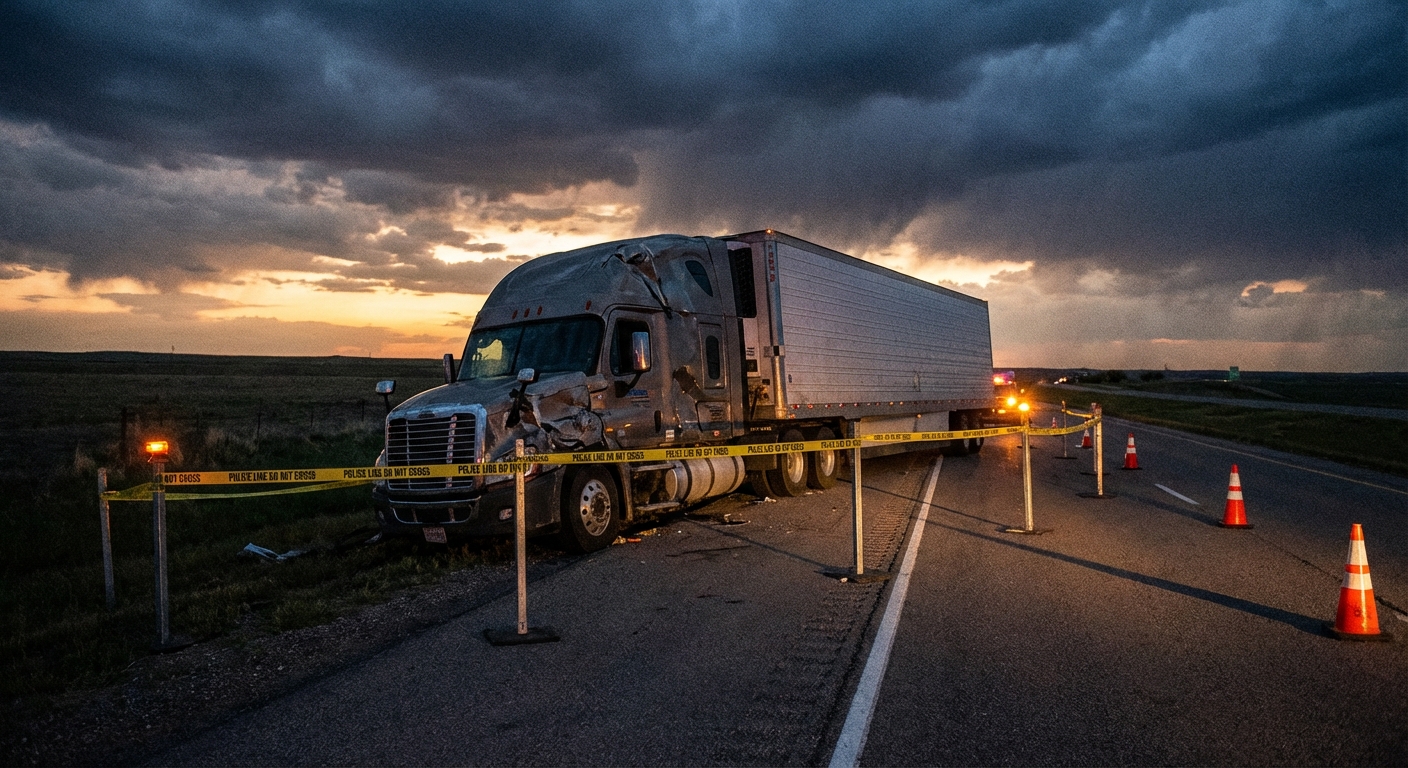
7 Critical Steps After a Rancho Cucamonga Truck Accident
After a commercial motor vehicle crash in Rancho Cucamonga, several immediate actions are critical to protect your health and any potential legal claim. First, prioritize medical attention for all injured parties, even if injuries seem minor at the scene. Next, secure the crash scene by exchanging information with the CMV driver and gathering evidence like photos, video, and witness contact details. Promptly report the incident to the California Highway Patrol (CHP) or local law enforcement, ensuring an official record is created. Crucially, avoid discussing fault or signing anything without legal counsel, as statements can be used against you. Finally, understand that a preservation letter can stop the trucking company from destroying critical evidence such as ELD data, HOS logs, and maintenance records, which are vital for establishing liability in these complex cases. This early intervention is essential.
1. Prioritize Safety and Seek Immediate Medical Care
After any incident involving a commercial motor vehicle in Rancho Cucamonga, your immediate safety and health are paramount. Move any drivable vehicles to the shoulder or a safe area away from traffic on major routes like Interstate 10 or 15. Once safe, assess yourself and others for injuries. Even if you feel fine, adrenaline can mask serious issues. Seek immediate medical evaluation at a facility such as Arrowhead Regional Medical Center in Colton, a Level 1 trauma center serving the Inland Empire. Comprehensive medical records from the outset are crucial. They create a clear timeline connecting your injuries directly to the Rancho Cucamonga truck accident, which is foundational for any legal claim. Delays in seeking care can complicate proving causation later.
2. Document the Scene and Gather Crucial Evidence
The crash scene itself is a critical source of evidence following a truck accident in Rancho Cucamonga. Use your phone to take extensive photos and videos. Capture overall scene views, vehicle damage, road conditions, skid marks, traffic signals, and any relevant signage. Focus on the commercial motor vehicle: its company name, DOT number, license plate, and any identifying markings on the tractor and trailer. Collect contact information from all witnesses. Their unbiased accounts can be invaluable. If possible, note the names of any responding law enforcement officers and request the incident report number from the California Highway Patrol or San Bernardino County Sheriff's Department. This detailed documentation is vital for reconstructing the event and establishing fault.
Talk to a truck accident lawyer today
Free consultation — no fees unless your case wins.
Get started →3. Report the Incident to Law Enforcement and Your Insurer
Promptly reporting the truck accident to the appropriate authorities is a non-negotiable step. For incidents involving commercial motor vehicles on major highways in the Rancho Cucamonga area, the California Highway Patrol (CHP) often takes the lead. For local roads, the San Bernardino County Sheriff's Department would respond. Ensure an official police report is filed, as it provides an objective account and often includes critical details like diagrams and officer observations. While you must report to your own insurance company, exercise extreme caution when speaking with any representatives from the trucking company's insurer. Their primary goal is to minimize their payout. Avoid giving recorded statements or discussing fault without legal advice, as anything you say can be used against your claim.
4. Understand the Trucking Company's Response Protocol
Commercial motor carriers, especially those operating large fleets through regions like the Inland Empire, have well-established protocols for responding to crashes. They often deploy rapid response teams, including adjusters, investigators, and sometimes even their own legal counsel, to the scene quickly. Their objective is to control the narrative, gather evidence favorable to them, and minimize their liability. These teams may attempt to secure evidence or influence witness statements. It is essential to recognize that this is a sophisticated operation. Be aware that federal regulations allow for the deletion of certain electronic data, such as ELD records, after a specific period (sometimes as short as 15 days), unless a formal preservation request has been made. This highlights the urgency of early legal intervention.
5. Issue a Preservation Letter to Prevent Evidence Destruction
One of the most critical actions after a truck accident in Rancho Cucamonga is to issue a preservation letter immediately. This formal legal document, sent to the motor carrier, demands they retain all evidence related to the crash. Without it, trucking companies may legally dispose of or overwrite crucial data. This includes electronic logging device (ELD) data, hours-of-service (HOS) logs, driver qualification files, post-crash drug and alcohol test results, maintenance records for the CMV, and dispatch communications. The Federal Motor Carrier Safety Administration (FMCSA) mandates many of these records. A preservation letter acts as a legal stop-order, protecting the evidence needed to build a strong case and prove negligence against the driver or the carrier itself. ([FMCSA website](https://www.fmcsa.dot.gov/))
6. Know California's Specific Laws for Truck Accidents
Truck accident claims in Rancho Cucamonga, like all personal injury cases in California, are governed by specific state laws. A critical deadline is the statute of limitations, which generally requires personal injury lawsuits to be filed within two years from the date of the accident. This is codified in California Code of Civil Procedure § 335.1. Missing this deadline typically means forfeiting your right to seek compensation. Additionally, California follows a 'pure comparative negligence' rule. This means that if you are found partially at fault for the accident, your total damages award will be reduced by your percentage of fault. For example, if you are 20% at fault, your compensation would be reduced by 20%. Understanding these state-specific nuances is vital for pursuing a claim. ([California Bar](https://www.calbar.ca.gov/))
7. Consult with a Rancho Cucamonga Truck Accident Lawyer
Commercial motor vehicle crashes are far more complex than typical car accidents, especially when navigating the legal landscape in Rancho Cucamonga. Trucking industry regulations, overseen by agencies like the FMCSA and NHTSA, are intricate and require specialized knowledge. An attorney familiar with these nuances understands how to investigate ELD data, HOS logs, and maintenance records to uncover violations that contribute to fault. They also know the local court system, including the procedures at the San Bernardino Justice Center, where many truck accident cases in the region are heard. Engaging legal counsel early ensures that crucial evidence is preserved, deadlines are met, and your rights are protected against well-funded trucking company defense teams. ([NHTSA website](https://www.nhtsa.gov/))
Common questions
What makes a commercial truck accident case different from a car accident?
The physics involved, federal regulations (FMCSA), corporate defendants, and the specialized evidence like ELD data and HOS logs make CMV cases far more complex. The potential for severe injuries and higher damages also sets them apart from typical car accidents.
How long do I have to file a lawsuit after a truck accident in California?
In California, you generally have two years from the date of the injury to file a personal injury lawsuit, as specified by Code of Civil Procedure § 335.1. Missing this deadline typically bars your ability to pursue a claim for compensation.
What is a preservation letter, and why is it important?
A preservation letter is a formal legal notice sent to the motor carrier, demanding they retain all relevant evidence related to the crash. This is crucial because companies may legally destroy certain data, like ELD records, after a short period if not explicitly told to preserve it.
Can I still recover damages if I was partly at fault for the truck accident?
Yes, California follows a 'pure comparative negligence' rule. This means you can still recover damages even if you were partially responsible for the accident, though your total compensation will be reduced by your determined percentage of fault.
Experienced truck accident attorneys. No upfront cost.
Free consultation →