

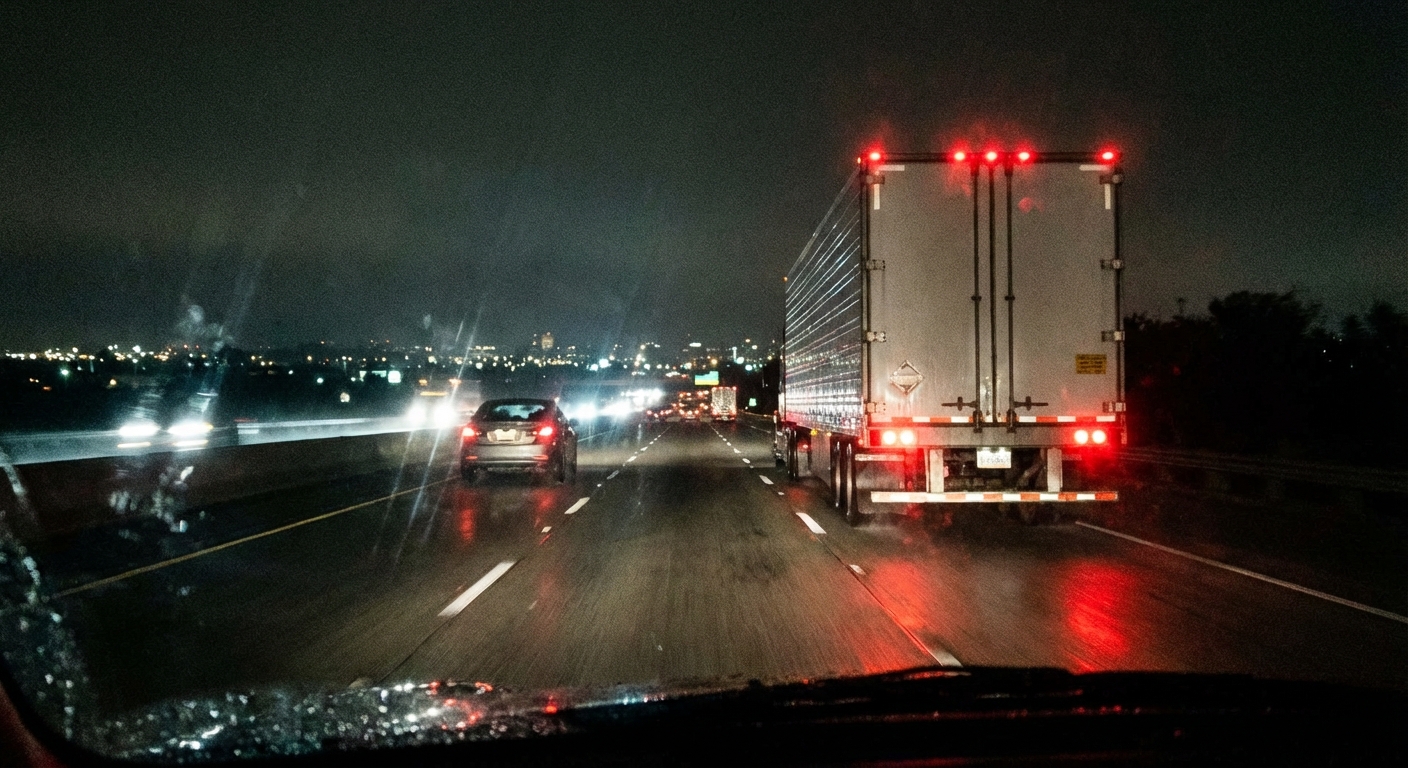
Los Angeles Big Rig Accident Lawyer
A big rig accident lawyer in Los Angeles investigates commercial motor vehicle crashes by focusing on evidence preservation, federal trucking regulations, and California-specific legal standards to establish liability. These cases differ significantly from typical car accidents due to the complex federal and state laws governing commercial vehicles and the severe injuries often involved. Your legal team will immediately work to secure critical data like electronic logging device (ELD) records, driver qualification files, and post-crash drug screen results before they can be altered or destroyed. In Los Angeles, the statute of limitations for personal injury claims is generally two years from the date of the incident, making prompt action essential. Understanding the intricacies of motor carrier operations and accident reconstruction is vital for building a robust claim.
What a Los Angeles Big Rig Accident Lawyer Does Immediately
When a commercial motor vehicle (CMV) crash happens in Los Angeles, the initial hours and days are critical for evidence preservation. A legal team specializing in big rig accidents understands the urgency. Their first action often involves sending a preservation letter to the motor carrier and any other potentially liable parties. This legal notice demands that all relevant evidence, including electronic logging device (ELD) data, driver hours-of-service (HOS) logs, maintenance records, dispatch communications, and post-crash drug screen results, be retained and not destroyed.
This immediate step is crucial because federal regulations require certain records to be kept for specific periods, but without a formal demand, some data might be routinely purged. For instance, many dashcam recordings are overwritten within days. A legal team will also work quickly to secure accident scene data, such as black box information from the big rig, traffic camera footage, and witness statements. This swift action helps build a factual foundation before key details fade or disappear, which is especially important given California's two-year statute of limitations for personal injury claims.
Key Differences in Commercial Motor Vehicle Cases
Big rig accident claims are fundamentally different from standard car accident cases. The scale of injury and property damage is often far greater, reflecting the immense difference in weight between an 80,000-pound tractor-trailer and a 4,000-pound passenger car. Beyond the physics, the legal landscape is more complex.
Commercial motor vehicles operate under a strict framework of federal regulations enforced by the Federal Motor Carrier Safety Administration (FMCSA). These rules cover driver qualifications, drug and alcohol testing, vehicle maintenance, and hours-of-service limits. Violations of these regulations, such as a driver exceeding their allowed driving hours, can directly establish negligence against the driver and the motor carrier. You can review many of these standards on the [FMCSA website](https://www.fmcsa.dot.gov/).
Additionally, multiple parties beyond just the driver may hold liability. The trucking company, the freight broker, the shipper, or even the maintenance provider could be partially responsible, depending on their role in the crash. Understanding these layers of potential liability requires an in-depth knowledge of the trucking industry's operational structure and contractual agreements. The motor carrier's Compliance, Safety, Accountability (CSA) scores, which are public, can also indicate a pattern of safety violations and contribute to a direct negligence claim against the carrier.
Talk to a truck accident lawyer today
Free consultation — no fees unless your case wins.
Get started →Evidence Preservation and Spoliation in California Trucking Cases
Securing and preserving evidence is paramount in a Los Angeles big rig accident claim. Commercial motor carriers are required to maintain a wide range of records, and these documents often contain the truth about what led to a crash. Key evidence includes:
- Electronic Logging Device (ELD) Data: Records driver HOS, speed, and vehicle movement.
- Driver Qualification Files: Contains medical certifications, driving history, and training records.
- Maintenance Records: Shows vehicle inspection, repair history, and compliance with DOT regulations.
- Post-Crash Drug and Alcohol Test Results: Mandatory for CMV drivers after certain accidents.
- Dispatch Records and Bills of Lading: Reveal trip details, cargo, and scheduling pressures.
- Event Data Recorder (EDR) or 'Black Box' Information: Can provide pre-crash data on speed, braking, and other vehicle parameters.
Spoliation occurs when evidence is destroyed or altered. Trucking companies, while generally required to retain certain records, may not keep all relevant data indefinitely, especially if a preservation letter isn't issued promptly. For example, some dashcam footage is automatically deleted within days or weeks. Without timely legal action, critical proof of negligence could be lost forever. A lawyer understands the specific retention periods and what to demand from a motor carrier to prevent spoliation. The National Highway Traffic Safety Administration (NHTSA) also collects crash data that helps illustrate the dynamics of commercial vehicle collisions, underscoring the importance of precise evidence from the scene. You can explore relevant data on the [NHTSA website](https://www.nhtsa.gov/).
Understanding Liability and Damages in Los Angeles Big Rig Crashes
Establishing liability in a big rig accident means proving who was at fault and why. This often involves looking beyond the driver to the motor carrier's practices. Common theories of liability include:
- Driver Negligence: Fatigue, distraction, speeding, or operating under the influence.
- Motor Carrier Negligence: Negligent hiring, inadequate training, poor vehicle maintenance, or pressuring drivers to violate HOS rules.
- Third-Party Liability: Fault of a shipper for improper loading, or a manufacturer for defective parts.
California operates under a pure comparative negligence rule. This means if you are found partially at fault for an accident, your recoverable damages will be reduced by your percentage of fault. For example, if a jury in the Los Angeles County Superior Court awards you $1 million but finds you 20% responsible, you would receive $800,000.
Damages in big rig cases can be substantial, covering economic losses like medical bills, lost wages, and future earning capacity, as well as non-economic losses such as pain and suffering, disfigurement, and loss of enjoyment of life. The high potential for severe injury or fatality in these crashes means settlements and jury awards often reflect the catastrophic impact on victims and their families.
Choosing a Legal Team for Your Los Angeles Truck Accident Claim
Selecting the right legal representation after a big rig accident in Los Angeles is a critical decision. These claims demand a legal team with specialized knowledge, not just general personal injury experience. Look for professionals who are technically fluent in:
- FMCSA Regulations: An in-depth understanding of federal trucking laws is non-negotiable.
- Accident Reconstruction: The ability to work with experts who can determine crash dynamics.
- Trucking Industry Operations: Knowing how motor carriers, brokers, and shippers operate helps uncover all potential defendants and liability theories.
- Resources for Litigation: Big rig cases are expensive to litigate, requiring significant investment in expert witnesses and discovery.
Your chosen legal team should have a track record of handling commercial motor vehicle cases and understand the local legal landscape in Los Angeles, including court procedures at the Stanley Mosk Courthouse and the tendencies of local juries. The serious nature of these cases means a thorough, detailed approach is essential. The right legal partner will meticulously investigate every aspect of the crash, working to hold all responsible parties accountable.
Common questions
How long do I have to file a claim after a big rig accident in Los Angeles?
In California, the statute of limitations for personal injury claims, including those from big rig accidents, is generally two years from the date of the incident. There are limited exceptions, so acting quickly is always advisable to protect your legal rights and preserve crucial evidence.
What evidence is critical after a commercial truck crash?
Critical evidence includes electronic logging device (ELD) data, driver hours-of-service logs, maintenance records, post-crash drug and alcohol test results, dashcam footage, and event data recorder (EDR) information. Securing this evidence early is vital for proving liability.
Can I sue the trucking company directly, or just the driver?
Often, you can sue both the driver and the trucking company (motor carrier). Trucking companies can be held vicariously liable for their driver's actions and directly liable for their own negligence, such as negligent hiring, training, or maintenance failures.
What is a preservation letter, and why is it important?
A preservation letter is a formal legal notice sent to a trucking company, demanding that they retain all evidence related to your accident. This is crucial because, without it, some critical data like dashcam footage or ELD records might be routinely overwritten or destroyed, hindering your claim.
How does California's comparative negligence rule affect my settlement?
California follows a pure comparative negligence rule. This means if you are found partly responsible for the big rig accident, your total damages will be reduced by your percentage of fault. For example, if you are 20% at fault, your settlement would be reduced by 20%.
What should I do immediately after a big rig accident in Los Angeles?
Prioritize safety by moving to a safe location if possible, then call 911 to report the accident to the California Highway Patrol (CHP) or local police. Seek immediate medical attention, even for seemingly minor injuries, and then contact a legal team specializing in big rig accidents to initiate an investigation and preserve evidence.
Experienced truck accident attorneys. No upfront cost.
Free consultation →