

Houston Truck Wreck Lawyers: Evidence Preservation and Motor Carrier Liability
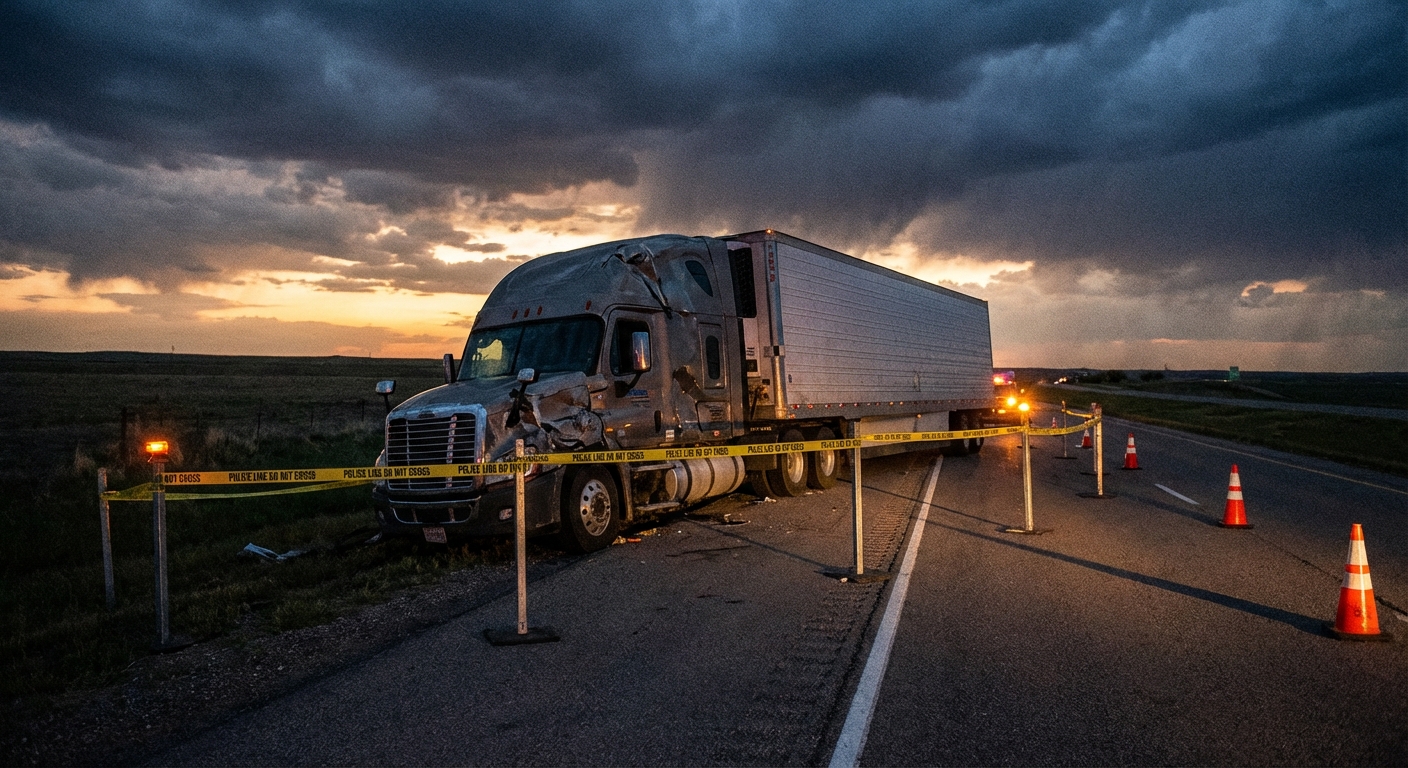
A Houston truck wreck lawyer represents people injured or killed when a commercial motor vehicle collides with a passenger vehicle. These cases differ fundamentally from typical car accidents because they involve federal regulations—FMCSA hours-of-service rules, electronic logging devices (ELDs), driver qualification standards. There's also a massive physics disparity: an 80,000-pound loaded 18-wheeler versus a 4,000-pound passenger car. The defendants are usually well-resourced trucking companies with aggressive defense teams. The case often hinges on evidence the motor carrier controls: ELD data, dispatch records, maintenance logs, and driver CSA scores. A specialized Houston truck wreck lawyer knows how to serve a preservation letter immediately, demand critical discovery documents, and build motor carrier negligence claims under Texas law.
What Makes a Truck Accident Different
Truck accident cases have three features that set them apart from routine personal injury claims. First, the physics: an 18-wheeler traveling at interstate speeds generates forces that fundamentally exceed what a passenger vehicle can withstand. Second, the regulation: commercial motor vehicles operate under a dense federal framework established by the [Federal Motor Carrier Safety Administration (FMCSA)](https://www.fmcsa.dot.gov/)—rules on hours of service, electronic logging devices, driver qualification standards, and vehicle maintenance. Third, the defendant: instead of an individual driver, you're often suing a trucking company or motor carrier with corporate insurance and structured defense protocols.
Because of this complexity, a Houston truck wreck lawyer's job begins before a settlement conversation ever happens. The first critical task is evidence preservation. If your case ends up in Harris County District Court—where most Harris County personal injury cases are filed—the court will recognize a duty to preserve evidence once a plaintiff knows litigation is likely. For truck cases, that means serving a preservation letter to the motor carrier within days of the crash. This letter legally obligates the company to keep electronic logging device data, dispatch records, maintenance logs, driver qualification files, and any onboard video.
After preservation comes discovery. A truck wreck lawyer will demand the driver's qualification file, the company's CSA score, the driver's hours-of-service logs, maintenance records for that specific vehicle, and GPS/dispatch data showing routing and driver instructions that day. Each of these documents can support a negligence claim—either against the driver directly or against the motor carrier for negligent hiring, inadequate training, or reckless oversight.
The goal is to establish duty (the motor carrier owed you a duty of safe operation), breach (they violated federal regulations or industry standards), causation (that breach caused the crash), and damages (your injuries, medical bills, lost wages, pain and suffering). In Houston and Harris County, juries understand the trucking industry well enough to recognize when a company cut corners or ignored warning signs.
Evidence Preservation: Why the First 15 Days Matter
The window for evidence preservation is narrow, and it matters enormously. Under federal law and Texas case law, once a party knows litigation is likely, they have a duty to preserve relevant evidence. For motor carriers, that duty is sometimes more strictly defined. The industry standard—and the defense bar's quiet assumption—is that crash-related evidence can be automatically overwritten or deleted after 15 days unless a preservation letter has been served. After that 15-day window closes, the trucking company's data management policies take over. Electronic logging device data gets cycled out. Dashcam footage gets overwritten. Dispatch records get archived and eventually purged.
A Houston truck wreck lawyer serves [a preservation letter immediately](/truck-accident-evidence-preservation/) to the motor carrier—often within 48 hours of learning about the case. This letter names the specific evidence categories (ELD data, dispatch records, maintenance files, driver qualification documents, onboard video, telematics, fuel records) and tells the motor carrier that failing to preserve them will result in sanctions. Once the letter is served, courts often issue adverse-inference instructions: if the company destroyed evidence after being told to preserve it, the jury can assume that evidence would have helped the plaintiff.
What's at stake? Electronic logging logs show whether the driver was complying with hours-of-service rules. Dispatch records show whether the driver was being pressured to meet unrealistic schedules. Maintenance logs show whether the vehicle had known mechanical issues. Dashcam video often captures the moments leading up to the crash—driver distraction, speed, lane changes. Each of these datasets can prove the motor carrier's negligence.
Defense lawyers know this. They've probably already sent an internal memo telling the client to preserve certain data. But without a formal preservation letter from plaintiff's counsel, the clock is ticking. A specialized Houston truck wreck lawyer knows exactly what to demand and when to demand it.
Talk to a truck accident lawyer today
Free consultation — no fees unless your case wins.
Get started →CSA Scores and Driver Qualification Files: Direct Evidence of Negligence
CSA stands for Compliance, Safety, Accountability. It's a federal system that rates every commercial motor carrier on multiple safety dimensions: unsafe driving, crash frequency, hours-of-service compliance, vehicle maintenance, and hazmat compliance. The [FMCSA publishes these scores publicly](https://www.fmcsa.dot.gov/), and you can access them to evaluate any motor carrier's safety record. If a motor carrier's CSA score is above the intervention threshold in unsafe driving or hours-of-service violations, that's direct evidence of negligence—the company has a documented pattern of regulatory failures.
A driver qualification file (often called the DQ file) is a federal requirement. Every motor carrier must maintain it for every driver. It includes DOT physical examination results, prior violation history from state DMV records, safety training records, and prior crashes. This file can reveal red flags: a driver with a history of speeding citations, a recent DOT physical that noted vision problems, or missing hazmat certifications. If the motor carrier hired or continued employing a driver despite known safety deficiencies, that's negligent retention.
In Texas, a plaintiff can sue the motor carrier directly for negligent hiring, negligent retention, or negligent supervision—independent of the driver's own liability. According to [NHTSA research on large truck safety](https://www.nhtsa.gov/), passenger vehicle occupants face dramatically higher risk in collisions with heavy commercial vehicles. That disparity in crash outcomes supports the case for motor carrier accountability. A CSA score above the intervention threshold, combined with a troubling driver DQ file, strengthens a direct negligence claim considerably.
This is why a specialized Houston truck wreck lawyer requests these documents immediately and knows how to interpret them. The defense will fight these requests, arguing they're irrelevant or burdensome. But under FMCSA regulations, CSA scores are public record, and DQ files are discoverable in litigation.
Settlement Ranges and Damages in Houston Truck Crash Cases
A truck accident case typically involves higher damages than a typical car accident, and for straightforward reasons: the injuries are usually more severe. Crashes on I-10 between downtown Houston and the Katy corridor often involve heavy commercial traffic at interstate speeds, creating forces that cause catastrophic injuries. Survivors might need treatment at Memorial Hermann-Texas Medical Center or another Level 1 trauma center for spinal cord damage, head trauma, amputation, or third-degree burns. These injuries lead to months or years of medical treatment, permanent disability, and ongoing care costs.
Damages in a Houston truck crash case typically include:
- Medical expenses: past and reasonably anticipated future costs (surgeries, rehabilitation, ongoing treatment, home health care)
- Lost wages: earnings from the date of injury forward, including reduced earning capacity if the injury causes permanent disability
- Pain and suffering: compensation for physical pain, emotional trauma, and loss of enjoyment of life
- Loss of companionship: in wrongful death cases, family members' damages
- Disfigurement and scarring: if applicable
A severe truck crash case in Harris County might settle in the range of several hundred thousand to several million dollars, depending on liability strength, injury severity, and the defendant's insurance coverage. A young professional paralyzed from the waist down might have a claim in the millions because of lifetime care costs and lost earning potential. An older person with non-catastrophic injuries might have a claim in the hundreds of thousands.
The trucking company's liability insurance also matters. Federal regulations require commercial motor carriers to carry at least $500,000 in liability coverage (more for hazmat). Some major carriers carry $1–5 million in primary coverage plus excess policies. That coverage cap affects settlement negotiations.
Choosing a Houston Truck Crash Lawyer
The truck wreck lawyer you hire should have specific expertise, not just general personal injury experience. Look for these qualities:
Specialized trial experience in trucking cases. The lawyer should have actually tried (not just settled) truck accident cases in Harris County or nearby. You want someone who understands FMCSA regulations, knows how to cross-examine trucking company safety directors, and has successfully argued [motor carrier negligence claims](/commercial-motor-carrier-negligence/) to juries.
Knowledge of federal regulations. Truck accident litigation lives at the intersection of state tort law (Texas) and federal motor carrier law (FMCSA). A lawyer who doesn't understand hours-of-service rules, electronic logging devices, and driver qualification file requirements will miss critical evidence.
Relationships with expert witnesses. You'll need accident reconstruction experts, medical economists, life-care planners, and possibly engineering experts. A lawyer with established relationships to trusted experts will save time and cost.
Immediate evidence preservation. The best Houston truck wreck lawyer sends a preservation letter within 48 hours. Ask prospective lawyers what their protocol is. If they say "we'll handle that after you hire us," that's a red flag.
Transparent about fees and costs. Most personal injury lawyers work on contingency—they take a percentage of the settlement or verdict, typically 33–40%. Some also require you to reimburse costs (expert witnesses, court filing fees, deposition transcripts). Understand these terms upfront.
Clear communication. Truck cases are complex and can take 1–3 years to resolve. You need a lawyer who explains the process regularly, answers your questions, and keeps you informed about discovery, settlement discussions, and trial preparation.
The Houston market has several competent personal injury firms. But you're looking for a lawyer (or firm) that handles truck cases regularly, not occasionally. If a lawyer's website makes no mention of trucking law, FMCSA regulations, or motor carrier cases, they probably don't specialize in this work. Call someone who does.
Common questions
What's the difference between a truck accident lawyer and a general personal injury lawyer?
A truck accident lawyer specializes in commercial motor vehicle law, understands FMCSA federal regulations, and knows how to demand driver qualification files, CSA scores, and electronic logging data. A general personal injury lawyer may not recognize these critical evidence categories and might miss federal violations that support your claim.
Can I get a settlement without going to trial?
Most truck accident cases settle before trial—probably 85–90%. Settlement negotiations usually happen after discovery (when both sides have examined the evidence). If liability is clear and the defendant's insurance is sufficient, settlement can happen within 12–24 months.
How long does a truck accident case take?
Truck accident cases typically take 1–3 years from injury to final settlement or verdict. The timeline depends on medical recovery (you can't settle until you know the full extent of injuries), discovery disputes, and whether the case goes to trial. Your lawyer should give you a realistic estimate based on the facts.
What's a preservation letter and why does it matter?
A preservation letter is a formal demand to the trucking company to preserve all evidence related to the crash: ELD data, dispatch records, maintenance logs, video, driver files, and communication records. Without this letter, the company can legally delete most of this evidence within 15 days. With it, deletion becomes spoliation, and courts can sanction the defendant.
Can I sue the motor carrier itself, or only the driver?
You can sue both the driver and the motor carrier. The driver's insurance typically covers the driver's individual negligence. But Texas law also allows negligent hiring, retention, and supervision claims against the carrier itself—particularly if the CSA score or driver qualification file shows the company failed to exercise reasonable care.
What if the truck driver was an independent contractor, not a company employee?
Independent contractor status doesn't necessarily shield the motor carrier from liability. If the carrier controls the driver's work (routing, scheduling, cargo selection, speed), the driver might be considered an employee under Texas law, or the carrier might be liable for negligent hiring or retention. This is a complex legal question your lawyer will investigate.
Experienced truck accident attorneys. No upfront cost.
Free consultation →