

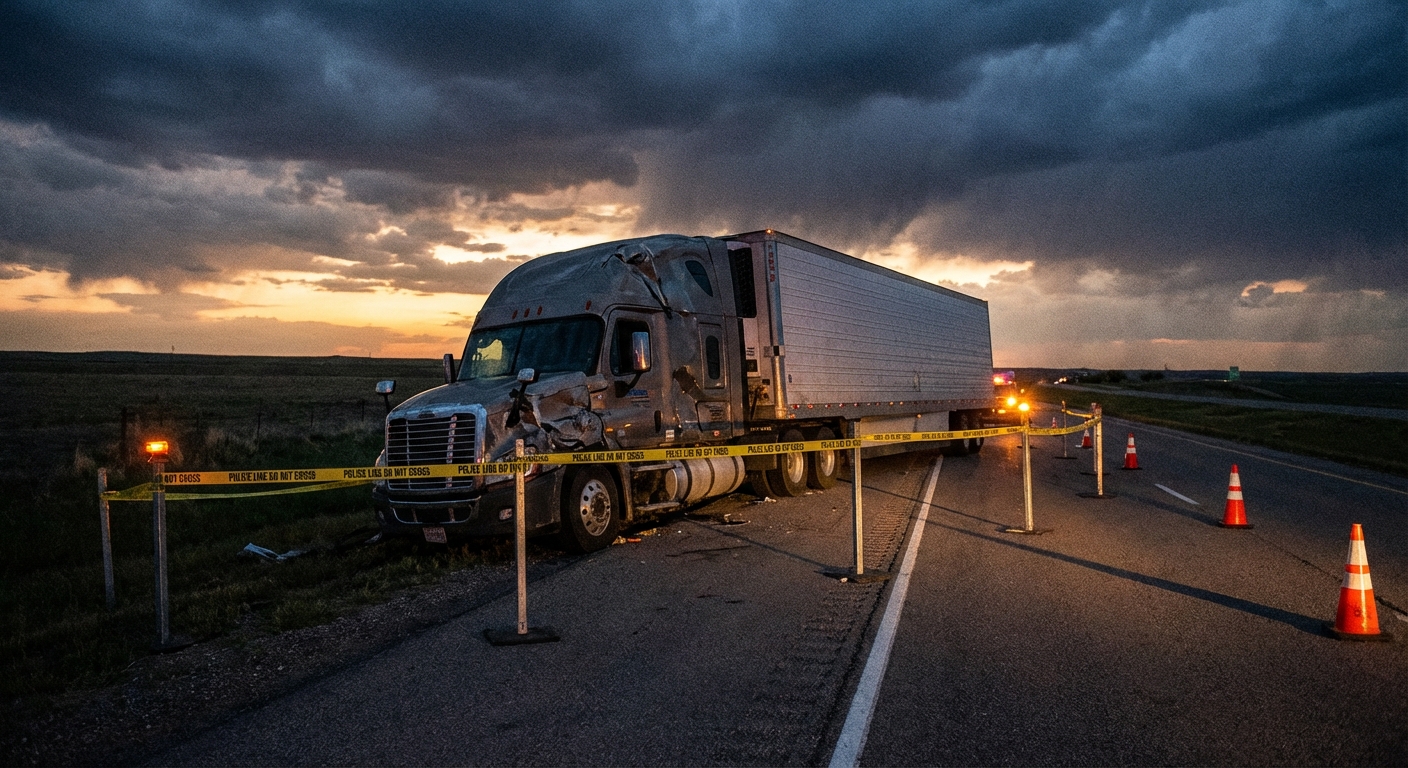
Texas Statute of Limitations for Dallas Truck Crash Lawsuits
In Texas, the statute of limitations for filing a personal injury lawsuit following a commercial motor vehicle crash is two years from the date of the incident. This critical two-year deadline, specifically outlined in Texas Civil Practice and Remedies Code Section 16.003, applies directly to claims stemming from injuries or wrongful death caused by an 18-wheeler, semi-truck, or any other large commercial rig operating through Dallas. If you or a loved one were involved in a crash near Dallas, understanding this timeframe is paramount. Failing to initiate legal action within these 24 months typically results in the permanent loss of your right to pursue compensation, regardless of the incident's specifics or the motor carrier’s clear liability. This strict legal window emphasizes the critical need for immediate investigation and decisive legal action following a Dallas truck crash to effectively preserve all potential claims.
Texas Statute of Limitations for Truck Crashes: Two Years
Texas law establishes a strict two-year statute of limitations for most personal injury and wrongful death claims arising from commercial motor vehicle accidents. This means that if an 18-wheeler crash occurs in Dallas, you generally have exactly two years from the date of that crash to formally file a lawsuit in a civil court, such as the district courts within Dallas County. This deadline is not flexible for typical circumstances. The specific legal authority for this period is found in [Texas Civil Practice and Remedies Code Section 16.003](https://statutes.capitol.texas.gov/Docs/CP/htm/CP.16.htm).
This two-year window applies to claims against the driver, the motor carrier, or any other potentially liable parties involved in the commercial trucking operation. The legal rationale behind statutes of limitations is to ensure that cases are heard while evidence is fresh, witnesses are available, and memories are clear. For truck crashes, where critical evidence like ELD data, HOS logs, and dashcam footage can be subject to retention policies, acting quickly is always in the plaintiff's best interest. Waiting too long risks the spoliation of evidence, even within the two-year window. The National Highway Traffic Safety Administration (NHTSA) emphasizes the importance of timely crash investigation to gather accurate data, a principle that extends to individual legal claims. Learn more about their safety initiatives at [NHTSA.gov](https://www.nhtsa.gov/). This reinforces why swift action is paramount.
When Does the Two-Year Clock Start Ticking?
For most truck crash injury claims in Texas, the two-year statute of limitations begins on the date the incident occurred. If a multi-vehicle crash involving a tractor-trailer happened on January 1, 2024, the deadline to file a lawsuit would typically be January 1, 2026. This straightforward rule applies when the injury is immediately apparent.
However, there are specific circumstances where the clock's start date might be different. This is often referred to as the 'discovery rule.' Under the discovery rule, the statute of limitations might begin when the injured person discovers, or reasonably should have discovered, their injury and its cause. This is especially relevant in cases where injuries are not immediately obvious after the crash, such as some traumatic brain injuries (TBIs) or internal organ damage that manifest weeks or months later. Proving when an injury was 'discovered' requires careful documentation and often expert medical testimony. The precise application of the discovery rule can be complex, and motor carriers' defense teams will often challenge its applicability, seeking to hold plaintiffs to the initial crash date.
Talk to a truck accident lawyer today
Free consultation — no fees unless your case wins.
Get started →Key Exceptions That Can Extend the Deadline
While the two-year limit is strict, Texas law recognizes certain exceptions that can 'toll' or pause the statute of limitations, effectively extending the deadline to file a lawsuit. These exceptions are critical to understand, as they can significantly impact a potential plaintiff's ability to seek compensation:
- Minors: If the injured person was under 18 years old at the time of the truck crash, the statute of limitations generally does not begin to run until their 18th birthday. This means a child injured by a semi-truck near the I-30 corridor in Dallas could have until their 20th birthday to file a lawsuit.
- Mental Incapacity: If the injured person was legally declared mentally incapacitated at the time of the crash, the statute of limitations may be paused until their capacity is restored.
- Fraudulent Concealment: If the defendant (e.g., the motor carrier or driver) actively concealed facts that prevented the plaintiff from discovering their injury or the cause of action, the statute of limitations might be tolled until the fraud is discovered.
- Governmental Entities: Claims against government entities (like a city or state DOT) often have much shorter notice requirements and statutes of limitations, sometimes as short as six months to one year. This is a crucial distinction, as many truck crashes involve infrastructure or vehicles maintained by state or local agencies.
These exceptions are not automatic and often require specific legal action to invoke. It is vital to consult with a legal professional to determine if any of these exceptions apply to your specific Dallas truck crash case.
What Happens If You Miss the Two-Year Deadline?
Missing the two-year statute of limitations in Texas for a truck crash lawsuit typically has severe and irreversible consequences: your case will likely be dismissed. Once the deadline passes, the courts will generally refuse to hear your claim, regardless of how strong your evidence of negligence or how severe your injuries. This means you lose your legal right to seek compensation from the at-fault driver or motor carrier.
Even if a lawsuit is filed a day late, the defendant's legal team, often well-versed in these deadlines, will almost certainly file a motion to dismiss based on the expired statute of limitations. Unless a rare and applicable exception exists, the judge will grant this motion, ending your pursuit of damages for medical bills, lost wages, pain and suffering, and other losses. This outcome underscores the absolute finality of the statute of limitations. It is a procedural bar that can prevent even the most meritorious claims from ever reaching a jury. The industry perspective highlights how motor carriers rely on these legal technicalities to limit their liability.
Steps to Preserve Your Claim After a Dallas Truck Crash
Given the strict two-year deadline and the complexities of truck crash litigation, taking immediate action after a crash in Dallas is crucial to preserve your legal claim:
- Seek Medical Attention Immediately: Your health is the priority. Documenting your injuries from the outset creates a clear medical record vital for any future claim.
- Report the Crash to Dallas Authorities: Ensure the Dallas Police Department or other relevant law enforcement agency files an official crash report. This report is a foundational piece of evidence.
- Do Not Discuss Fault or Sign Anything: Avoid making statements to insurance adjusters or signing documents without legal counsel. Anything you say can be used against you.
- Send a Preservation Letter: A preservation letter, sent immediately to the motor carrier and their insurer, legally obligates them to retain critical evidence like ELD data, HOS logs, dashcam footage, dispatch records, and driver qualification files. This prevents spoliation. Without this letter, some data can be legally purged after a short period.
- Collect and Document Evidence: If possible and safe, gather photos or videos of the crash scene, vehicle damage, and any visible injuries. Note witness contact information.
- Consult with a Dallas Truck Crash Lawyer: An attorney specializing in commercial motor vehicle litigation understands the specific federal regulations (like FMCSA rules) and state laws that apply. They can initiate the investigation, send preservation letters, and ensure your claim is filed within the Texas statute of limitations. They also know what data to request, such as the driver's post-crash drug screen results and the motor carrier's CSA score.
Common questions
What is the statute of limitations for a Dallas truck crash?
In Texas, the statute of limitations for personal injury and wrongful death claims resulting from a commercial truck crash is typically two years from the date of the incident. This deadline is set by Texas Civil Practice and Remedies Code Section 16.003.
Can the two-year deadline be extended for a truck accident case?
Yes, in certain limited situations, the two-year deadline can be extended. Exceptions include cases involving minors (the clock starts at age 18), mental incapacity, or fraudulent concealment by the defendant. Claims against government entities may also have different, often shorter, deadlines.
What happens if I miss the statute of limitations for my truck crash claim?
If you miss the two-year statute of limitations, you generally lose your legal right to file a lawsuit and seek compensation for your injuries and losses. The court will likely dismiss your case, regardless of the merits of your claim.
Does the discovery rule apply to truck crash injuries in Texas?
The discovery rule can apply in Texas truck crash cases where the injury or its cause was not immediately apparent and could not have been reasonably discovered at the time of the crash. This exception allows the statute of limitations to begin when the injury was, or should have been, discovered.
How can I protect my legal rights after a Dallas 18-wheeler crash?
To protect your rights, seek immediate medical attention, report the crash to law enforcement, avoid discussing fault, and most importantly, send a preservation letter to the motor carrier to secure evidence like ELD data and HOS logs. Consulting with a Dallas truck crash lawyer quickly is the most effective way to ensure all deadlines are met and evidence is secured.
Experienced truck accident attorneys. No upfront cost.
Free consultation →