

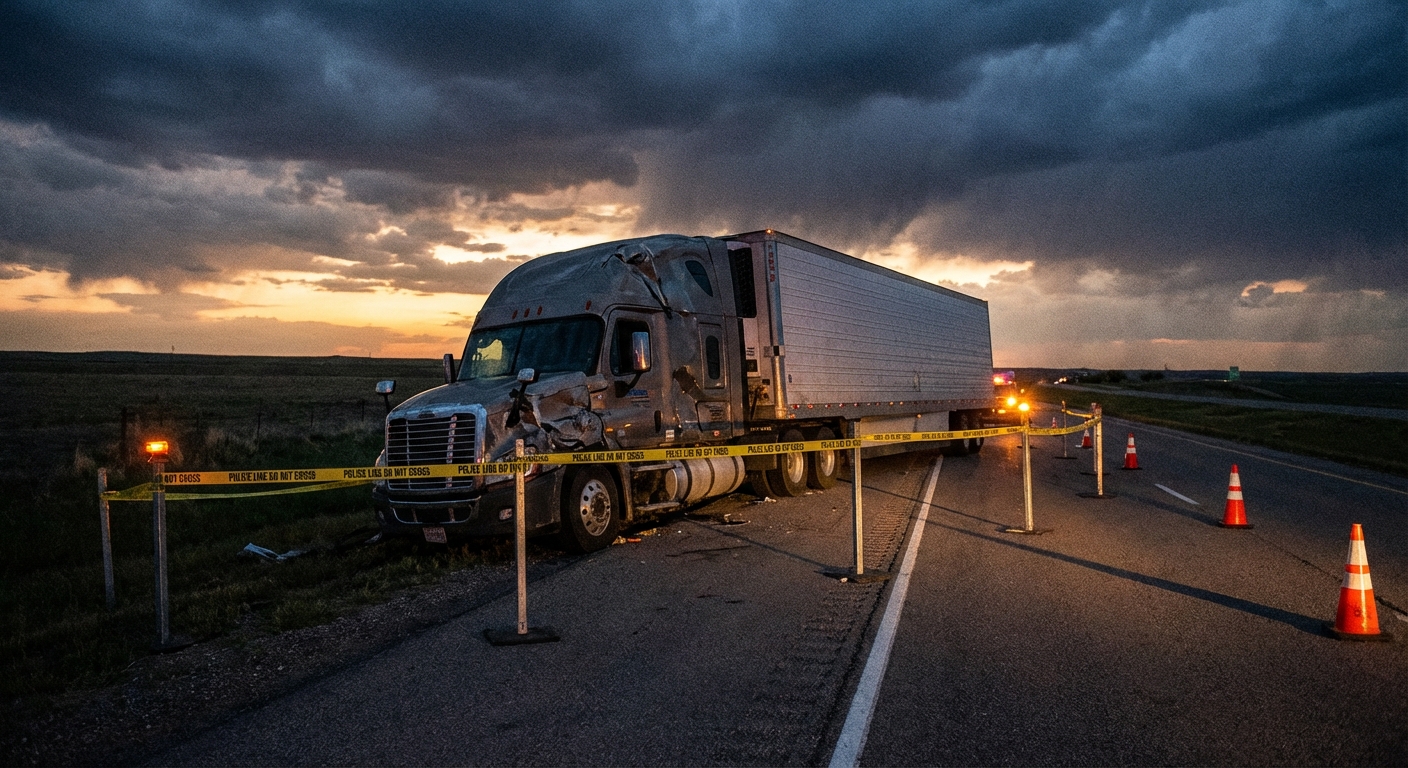
California Truck Accident Statute of Limitations: The 2-Year Deadline
In California, individuals injured in a commercial truck accident typically have two years from the date of the incident to file a personal injury lawsuit. This two-year period is known as the statute of limitations, and it is codified under California Code of Civil Procedure section 335.1. For residents of Huntington Beach involved in a collision with an 18-wheeler, understanding this deadline is crucial. Failing to initiate a claim within this specific timeframe almost always results in the permanent loss of the right to seek compensation for injuries and damages. This strict legal deadline underscores the urgency required to investigate the crash, preserve critical evidence such as ELD data, and take appropriate legal steps.
California's 2-Year Statute of Limitations for Truck Accidents
California law sets a strict two-year deadline for filing most personal injury lawsuits, including those arising from commercial motor vehicle accidents. This rule, found in [California Code of Civil Procedure section 335.1](https://leginfo.legislature.ca.gov/faces/codes_displaySection.xhtml?sectionNum=335.1.&lawCode=CCP), means that if you or a loved one are injured in an 18-wheeler crash in Huntington Beach, you generally have 24 months from the date of the incident to take legal action. This deadline applies to claims for physical injuries, medical expenses, lost wages, and pain and suffering.
While property damage claims have a slightly longer three-year statute of limitations, the personal injury deadline is the critical one for most victims of serious truck crashes. It is not a flexible guideline; once this period expires, a court will almost certainly dismiss your case, regardless of the severity of your injuries or the strength of your evidence. The intent behind these deadlines is to ensure that legal claims are brought forward while evidence is still fresh and witnesses are available, though it places a significant burden on injured parties to act swiftly.
When Does the Clock Start on a California Truck Accident Claim?
For most commercial truck accident cases in California, the two-year statute of limitations begins running on the exact date the crash occurred. If you were involved in a collision with a semi-truck on I-405 near Huntington Beach on June 1, 2024, your deadline to file a lawsuit would typically be June 1, 2026. This starting point is straightforward when injuries are immediately apparent.
However, in certain situations, the start date for the clock might be less clear. California's 'discovery rule' allows the deadline to begin when the injured party discovers, or reasonably should have discovered, their injury and its cause. This is less common in acute truck crash scenarios, where injuries are often evident right away. Still, if a latent injury or condition directly attributable to the crash only manifests months later, the clock might start ticking from the date of discovery. Identifying the precise start date is a critical early step in any truck accident investigation, as it dictates the entire timeline for legal action and evidence gathering, including securing crucial ELD data and dispatch records.
Talk to a truck accident lawyer today
Free consultation — no fees unless your case wins.
Get started →Exceptions That Can Extend the Deadline in California
While California's two-year statute of limitations is strict, several specific legal exceptions can extend or 'toll' the deadline in certain circumstances. These exceptions exist to protect vulnerable individuals or ensure fairness when factors beyond the claimant's control prevent timely filing.
- Minors: If the injured party was under 18 years old at the time of the truck accident, the two-year clock generally does not begin until their 18th birthday. This means a minor hit by an 18-wheeler in Huntington Beach might have until their 20th birthday to file a personal injury lawsuit.
- Mental Incapacity: If the injured person is deemed mentally incapacitated and unable to manage their own affairs, the statute of limitations may be paused until their capacity is restored.
- Defendant Leaves the State: If the at-fault driver or motor carrier leaves California after the accident, the period they are absent from the state may not count toward the two-year limit.
- Government Claims: A crucial exception involves claims against a government entity, such as a city, county, or state agency (e.g., Caltrans). These claims often have a significantly shorter notice period, usually six months, before a lawsuit can be filed. This is a common pitfall for those unfamiliar with California-specific government tort claims rules.
What Happens If You Miss California's Statute of Limitations?
Missing the two-year statute of limitations for a commercial truck accident claim in California carries severe consequences. Once the deadline passes, your legal right to file a lawsuit for your injuries and damages is generally extinguished forever. This means that even if you have compelling evidence of the truck driver's negligence or the motor carrier's HOS violations, a court will almost certainly dismiss your case.
From a practical standpoint, insurance companies for the trucking company become far less likely to negotiate a fair settlement once the statute of limitations has run. Without the threat of a lawsuit, they have little incentive to offer compensation. This effectively leaves you without recourse for medical bills, lost wages, pain, and suffering. The strictness of this deadline is why early action is paramount for anyone injured in a big rig collision, especially given the extensive investigation and evidence preservation steps required in CMV cases.
Steps to Preserve Your Truck Accident Claim in California
Acting quickly after a commercial truck accident is essential to preserve your claim and protect your legal rights. The two-year statute of limitations for personal injury in California dictates a tight window for action, but there are immediate steps you can take:
- Seek Medical Attention Immediately: Even if injuries seem minor, get a thorough medical evaluation at a facility like UCI Medical Center. Medical records are crucial evidence.
- Report the Crash: Contact the Huntington Beach Police Department or the California Highway Patrol to ensure an official accident report is filed. This report often contains key details and initial findings.
- Document the Scene: If safe to do so, take photos and videos of the vehicles, accident scene, road conditions, and any visible injuries. Gather contact information from witnesses.
- Send a Preservation Letter: This is a critical step in CMV cases. A preservation letter formally notifies the trucking company and its insurers to retain all relevant evidence, including ELD data, driver logs, maintenance records, and post-crash drug screen results. This prevents spoliation, where crucial evidence could be destroyed or altered.
- Consult with a Legal Professional: An individual familiar with FMCSA regulations and California civil procedure can guide you through the complex process, ensuring all deadlines are met and evidence is properly secured. The National Highway Traffic Safety Administration (NHTSA) provides valuable data on large truck crashes, highlighting the severity of these incidents and the importance of thorough investigations. You can find more information on CMV safety at [NHTSA.gov](https://www.nhtsa.gov/). This approach helps build a strong foundation for your claim against the motor carrier.
Common questions
Does the 2-year deadline apply to property damage claims in California?
No, California law provides a separate, three-year statute of limitations for property damage claims arising from a vehicle accident. However, the more critical two-year deadline applies specifically to personal injuries and associated losses like medical bills and lost wages.
What if the truck driver involved in my Huntington Beach accident was from out of state?
If the commercial truck accident occurred in California, California's statute of limitations applies, regardless of where the truck driver or motor carrier is based. The location of the crash determines the applicable state law for personal injury claims.
Can I still negotiate with the insurance company after California's two-year statute of limitations has passed?
While you might technically attempt negotiation, the insurance company will have little to no legal incentive to settle your claim once the statute of limitations has expired. Without the ability to file a lawsuit, your leverage for securing fair compensation diminishes significantly.
What is a preservation letter, and why is it important in a truck accident case?
A preservation letter is a formal legal notice sent to the trucking company and its affiliates, demanding they retain all evidence related to the crash. This includes ELD data, driver qualification files, HOS logs, maintenance records, and post-crash drug screens. It's crucial to prevent spoliation of evidence that could prove negligence.
Are there different deadlines if a government vehicle was involved in the truck accident in California?
Yes, claims against government entities, such as a state-owned truck or a municipal vehicle, have a much shorter deadline in California. You typically have only six months to file a formal administrative claim before you can even consider filing a lawsuit.
Experienced truck accident attorneys. No upfront cost.
Free consultation →