

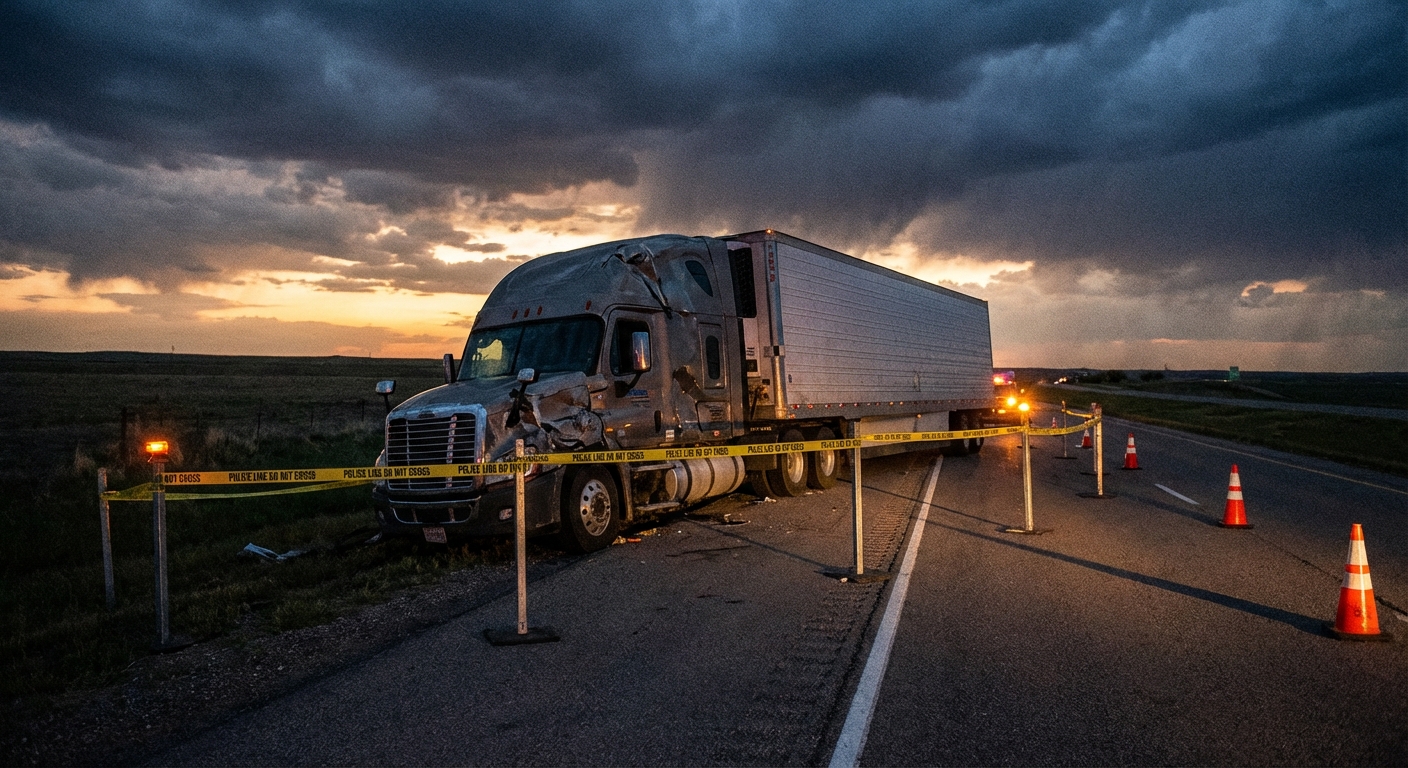
What to Do After a Truck Accident in Albany: 8 Critical Actions
If you've been hit by a commercial truck in Albany, your next steps determine whether critical evidence survives and whether you can hold the motor carrier accountable. Unlike car accidents, truck crashes involve federal regulations, electronic logging device data, and preservation deadlines that most general attorneys don't handle. A truck accident attorney in Albany who understands FMCSA rules, knows how to request the driver's qualification file, and can issue a preservation letter before evidence gets deleted is essential. The first 72 hours matter enormously. Motor carrier data systems keep records for only so long, and the clock starts ticking immediately after impact. Knowing what to do in those critical hours—and what NOT to do—separates cases that settle for significant compensation from cases that collapse.
1. Get Immediate Medical Evaluation at Albany Medical Center or the Nearest ER
Your health comes first, but your medical records also become the foundation of your case. Go to Albany Medical Center or the nearest emergency department—don't refuse transport if emergency responders offer it, even if you feel okay in the moment. Truck accident injuries often develop over hours or days. Adrenaline masks pain. The ER visit creates an official record of your injuries and establishes the timeline linking the crash to your symptoms.
If you're admitted or treated for multiple days, keep all discharge papers, imaging reports, and physician notes. These become discovery exhibits. The hospital records also contain the crash circumstances as you reported them to medical staff—early, un-lawyered accounts often carry weight. Before leaving the hospital, ask for a complete medical records copy. Tell the billing department NOT to contact your insurance until you've consulted an attorney; some insurers try to deny coverage by claiming injuries pre-existed.
2. Report the Crash to Albany Police Department Immediately
Call 911 immediately after the crash if anyone is injured. Even if injuries seem minor, request a police response. The Albany Police Department will file a crash report, assign a report number, and document the scene officially. This report becomes admissible evidence in your civil case and can support negligence claims against the driver or motor carrier.
When police arrive, answer their questions factually: what happened, what you saw, and whether you're injured. Don't speculate about fault or the other driver's state of mind. Answer only what they ask. Request the crash report number and the officer's name and badge number. Ask when the report will be available (typically within 5–10 business days in Albany County). Don't sign the report unless it's accurate; if you see errors, request corrections. The police report is crucial evidence—insurers and juries weight official reports heavily.
Talk to a truck accident lawyer today
Free consultation — no fees unless your case wins.
Get started →3. Document the Scene with Photos and Witness Information
If you're able to move safely, photograph everything: vehicle damage patterns, the truck's placards and lettering, the road surface, weather conditions, skid marks, debris field, and the surrounding area. Photograph from multiple angles. If you have a phone, use the timestamp feature—photos with timestamps create a chain of custody.
Collect contact information from any bystanders or witnesses. Get their names, phone numbers, addresses, and a brief note of what they saw. Don't assume the police will interview all witnesses; follow up yourself. If the truck driver was on the phone, note that. If there's a dashcam or security camera nearby (on a building, traffic light, or roadside), note the location immediately—footage can disappear quickly. Don't trespass on private property, but don't hesitate to ask businesses for camera footage. Document the truck's plate number, the company name on the side, and the motor carrier's phone number if visible.
4. Request and Preserve the Driver's Electronic Logging Device Data and Motor Carrier Records
This is where specialized truck accident law separates from general practice. Commercial truck drivers must maintain electronic logging device (ELD) data or paper logbooks under [FMCSA regulations](https://www.fmcsa.dot.gov/). Federal law requires motor carriers to preserve these records for 30 days after a crash. If you don't send a preservation letter within 72 hours, the motor carrier can legally delete older records.
You need: the driver's ELD printout (or e-logs) for the 24 hours before and after the crash, the driver's qualification file, medical certifications, prior violations, maintenance records for the truck, dispatch communications, and the bill of lading. A preservation letter from an attorney forces the motor carrier to comply. Without this letter, evidence disappears. Request that the motor carrier preserve the truck itself for inspection—photographs of the brake system, tire wear, and mechanical condition are critical. Don't attempt to inspect the truck yourself; hire a forensic engineer once your attorney issues a preservation letter.
5. Obtain the Truck Driver's and Motor Carrier's Complete Information
Get the truck driver's full legal name, date of birth, commercial driver's license number and state, the motor carrier's legal name (not just a trade name), the carrier's DOT number, and the insurance company's name and policy limits. Don't rely on the police report for accuracy—verify this information directly with the driver and the motor carrier.
If the driver refuses to provide information, note that. Photograph their license (front and back if possible). Get the truck's VIN and license plate. If the truck is operating under a broker or leasing arrangement, that matters legally—the shipper, broker, or trailer owner may be jointly liable. Ask the driver or motor carrier directly: who owns the truck, who employs the driver, and is there a lease agreement. These details shape which defendants you'll sue. Document this information immediately—don't wait until later.
6. Obtain the Police Report Number and File a Formal Incident Report
After the police file their report, request a copy. In New York, you can obtain crash reports from the Albany County Sheriff's Office or the specific police agency that responded. The police report will include the officer's preliminary assessment, witness statements, and vehicle information. Once you have the report, review it for accuracy.
If the report contains errors—wrong vehicle descriptions, incorrect driver information, or inaccurate summaries of what witnesses said—contact the investigating officer and request a correction or amendment. Amended reports carry weight because they show you were thorough from day one. Don't assume the police report assigns fault correctly; police reports are often preliminary and sometimes contain assumptions. Your attorney will use the report strategically, but you control the accuracy of your account.
7. Notify Your Insurance, but Guard Your Rights Carefully
Most insurance policies require you to notify your insurer within a specific timeframe (often 24 hours). Do this, but don't overshare. Tell your insurer: a crash occurred, when and where, and the vehicles involved. Don't admit fault, don't speculate about the other driver's actions, and don't sign any recorded statement without talking to a truck accident attorney first.
Insurers often ask for recorded statements early on, claiming it's routine. It's routine, but it can hurt you. Every word in that statement can be used against you later. If your insurer asks for a statement, say: "I'll provide a statement after my attorney reviews the circumstances." This isn't unusual or suspicious—it's standard practice. Don't sign any settlement authorization or damage authorization form without legal review. Insurance companies sometimes try to settle claims quickly and cheaply; your job is to preserve evidence and document injuries, not to resolve the claim immediately.
8. Contact a Truck Accident Attorney in Albany Before Signing Anything
This is the most important step. Truck accident cases involve federal regulations, corporate defendants with large legal teams, and settlement offers that insurers try to push through before you understand the full extent of your injuries. A truck accident attorney in Albany who specializes in commercial motor vehicle crashes knows what data to demand, which regulatory violations strengthen your case, and how much similar cases typically settle for in Albany County.
Before you sign any settlement offer, release, or even a liability waiver, have an attorney review it. Don't let the insurance company's timeline pressure you. You have three years from the date of the crash to file suit in New York, but evidence disappears much faster than that. An attorney can issue preservation letters immediately, demand the driver's records, and file suit if the motor carrier won't cooperate. [Find an attorney licensed by the New York State Bar](https://www.nysbar.org/) with truck accident experience. The cost of early legal advice is far less than the cost of losing a case because critical evidence disappeared.
Common questions
How long do I have to file a lawsuit for a truck accident in Albany?
New York's statute of limitations for personal injury is three years from the date of the crash. However, don't wait that long. Evidence from the motor carrier—ELD data, dispatch records, maintenance logs—can be legally deleted much sooner. A preservation letter issued within days of the crash prevents that. File suit if needed within the three-year window, but gather evidence immediately.
What data can I demand from the trucking company?
You can demand the driver's ELD or paper logs, the driver's qualification file, medical certifications, driving history, maintenance records for the truck, dispatch communications, safety violations, CSA scores, and any dashcam or onboard video. You can also demand the bill of lading, fuel records, and inspection reports. A preservation letter followed by formal discovery (once a lawsuit is filed) forces production of this data.
Will my truck accident case go to trial or settle?
Most truck accident cases settle before trial, especially when the motor carrier's own data (ELD logs, maintenance records, or violations) clearly shows negligence. Cases involving serious injuries, multiple defendants, or disputed liability are more likely to go to trial. Your attorney will advise whether a settlement offer is reasonable or whether trial is necessary.
How much is a typical truck accident settlement in Albany?
Settlement amounts depend on the severity of injury, medical bills, lost wages, and the degree of the motor carrier's fault. Minor injuries might settle for tens of thousands; serious or permanent injuries often settle for hundreds of thousands to millions. An attorney experienced in Albany County cases can estimate your case's value based on comparable settlements and jury verdicts in your area.
Experienced truck accident attorneys. No upfront cost.
Free consultation →