

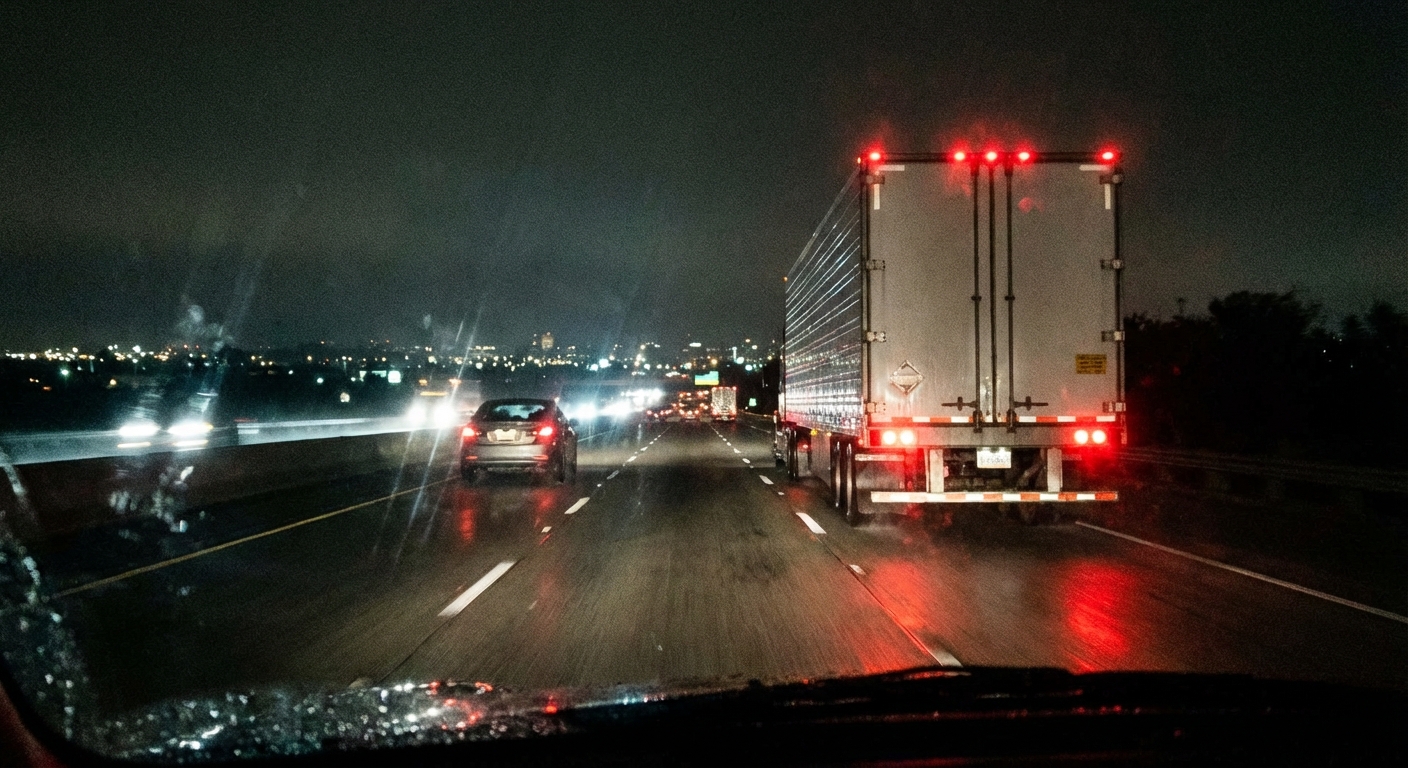
Actual Settlement Amounts in Commercial Truck Accident Cases
Actual settlement amounts in commercial truck accident cases vary significantly, often ranging from tens of thousands for minor injuries to several million dollars for catastrophic injuries or wrongful death. These figures depend heavily on factors like the severity of injuries, the clarity of liability, the strength of evidence gathered, and the available insurance policy limits. Unlike passenger car collisions, the immense weight and kinetic energy of an 18-wheeler typically result in more severe outcomes, driving up potential compensation. An in-depth investigation into federal trucking regulations and driver conduct is crucial, as violations can dramatically increase settlement values. Every case is unique, and specific facts dictate the final amount.
How Actual Commercial Truck Accident Settlement Amounts Are Determined
Commercial motor vehicle (CMV) accident settlements are complex. They are not like typical car accident claims. The sheer size and weight of an 18-wheeler mean impacts are often severe, leading to significant injuries or fatalities. This severity directly influences the potential settlement amount. Key factors include the extent of medical treatment required, future medical care needs, lost wages, and the impact on a person's quality of life.
The calculation involves economic damages, like documented medical bills and lost income, and non-economic damages, such as pain, suffering, and emotional distress. Property damage to the passenger vehicle is also included. When a motor carrier's negligence is clear, or when federal regulations, like hours-of-service (HOS) rules, are violated, the value of a claim can increase substantially. The motor carrier's insurance policy limits are also a major consideration. These policies often carry much higher limits than standard auto insurance, sometimes reaching millions of dollars, reflecting the higher risks associated with commercial trucking operations. The goal is to recover full and fair compensation for all losses stemming from the crash.
Key Factors Influencing a Truck Accident Settlement
Several critical elements dictate the final settlement figure in a commercial truck crash. The first is injury severity. A broken bone is different from a spinal cord injury or traumatic brain injury. Catastrophic injuries, which often require lifelong medical care and result in permanent disability, command the highest settlements. These cases account for future medical expenses, lost earning capacity, and profound lifestyle changes.
Liability is another primary factor. If the truck driver or motor carrier is clearly at fault, the case is stronger. However, if shared fault, known as comparative negligence, applies, it can reduce the settlement amount. Each state has its own comparative negligence rules that affect how this plays out.
The strength of evidence is paramount. ELD (electronic logging device) data, HOS logs, dispatch records, maintenance logs, post-crash drug screen results, and dashcam footage all tell a story. A diligent investigation to secure this evidence early is crucial. Finally, the available insurance policy limits of the motor carrier are a ceiling. Federal regulations require CMVs to carry substantial liability coverage, often $750,000 to $5 million, depending on the cargo and operation. This is a critical difference from car accidents. The [Federal Motor Carrier Safety Administration (FMCSA)](https://www.fmcsa.dot.gov/) sets these minimums to ensure victims can be compensated.
Talk to a truck accident lawyer today
Free consultation — no fees unless your case wins.
Get started →The Role of Evidence and Investigation in Valuation
The value of a commercial truck accident claim hinges on the evidence collected. Unlike a typical car crash, an 18-wheeler collision involves a highly regulated industry. Trucking companies are legally required to maintain extensive records. These include the driver's qualification file, HOS logs, drug and alcohol test results, vehicle inspection and maintenance records, and ELD data. This data can prove critical violations, such as driver fatigue, improper maintenance, or overloading.
One significant challenge is the risk of spoliation, where crucial evidence might be destroyed or altered. Many states have specific rules regarding the preservation of evidence. A plaintiff's legal team should send a preservation letter (also known as a spoliation letter) immediately after a crash. This legally obligates the motor carrier to retain all relevant records. Without this swift action, vital information, like black box data or dashcam footage, could be overwritten or discarded. Data from the [National Highway Traffic Safety Administration (NHTSA)](https://www.nhtsa.gov/) consistently highlights the importance of thorough crash investigation in understanding the contributing factors in large truck crashes.
Types of Damages Recoverable in a Commercial Truck Crash Case
When a commercial truck causes a crash, victims can pursue various categories of damages. These generally fall into two main groups: economic and non-economic damages.
Economic damages cover tangible, calculable losses. This includes all past and future medical expenses, such as emergency room visits, surgeries, rehabilitation, prescription medications, and long-term care. It also covers lost wages, both income already missed and future earning capacity if the injury prevents a return to work or limits career advancement. Property damage to the vehicle is also an economic loss. Receipts, pay stubs, and expert testimony help quantify these amounts.
Non-economic damages address intangible losses. These are harder to quantify but are often a significant component of a settlement. They include physical pain and suffering, emotional distress, disfigurement, impairment, and loss of enjoyment of life. In cases where the victim's spouse or family members also suffer, they might claim loss of consortium. In rare instances of gross negligence or intentional misconduct by the motor carrier, punitive damages might be awarded. These are not meant to compensate the victim but to punish the defendant and deter similar behavior.
Understanding Settlement Ranges and What to Expect
Providing an exact settlement figure for a commercial truck accident without knowing the specific details of a case is not possible. Every case is unique, and its value depends on the specific facts, applicable state laws, and the severity of losses. For minor injuries with limited medical treatment and no long-term impact, settlements might range from tens of thousands of dollars. However, for crashes involving severe or catastrophic injuries, or where a wrongful death occurs, settlement amounts frequently reach hundreds of thousands to several million dollars. This reflects the extensive medical costs, lost income, and profound suffering involved.
The process typically begins with an investigation and evidence collection. This is followed by a demand letter to the motor carrier's insurance company. Negotiations will then commence. If a fair settlement cannot be reached, the case may proceed to litigation, potentially ending in a trial. An attorney who understands the intricacies of federal trucking regulations and the tactics motor carriers use to defend claims is essential for securing a fair outcome. They know how to challenge CSA scores, analyze ELD data, and interpret HOS logs to build a compelling case.
Common questions
How long does a commercial truck accident settlement take?
The timeline varies significantly based on injury severity, liability disputes, and court schedules. Simple cases might resolve in a few months, while complex cases involving catastrophic injuries or multiple defendants can take years to settle, especially if litigation is required.
What if the truck driver was fatigued?
Driver fatigue is a serious violation of federal hours-of-service (HOS) regulations. If ELD data or HOS logs show the driver exceeded their legal driving limits, this evidence significantly strengthens your claim for negligence against both the driver and the motor carrier. It can increase the settlement value.
Can I sue the trucking company directly?
Yes, you can often sue the trucking company directly. Under legal principles like vicarious liability, the motor carrier is responsible for the actions of its drivers. You may also have direct negligence claims against the company for issues like negligent hiring, inadequate training, or poor vehicle maintenance.
What is a preservation letter?
A preservation letter is a formal legal notice sent to the trucking company immediately after a crash. It demands that they retain all relevant evidence, such as ELD data, HOS logs, maintenance records, and dashcam footage. This prevents the spoliation (destruction) of critical information that could prove negligence.
How do comparative negligence rules affect my settlement?
Comparative negligence rules vary by state. If you are found partially at fault for the crash, your settlement amount could be reduced by your percentage of fault. Some states, like California, allow recovery even if you are mostly at fault (pure comparative negligence), while others, like Texas, bar recovery if you are more than 50% at fault (modified comparative negligence).
What if I have pre-existing injuries?
A pre-existing injury does not prevent you from seeking compensation if a truck accident made it worse or caused a new injury. The at-fault party is responsible for any aggravation of a pre-existing condition or new injuries sustained. However, proving the link between the crash and the worsening condition requires careful medical documentation.
Experienced truck accident attorneys. No upfront cost.
Free consultation →